
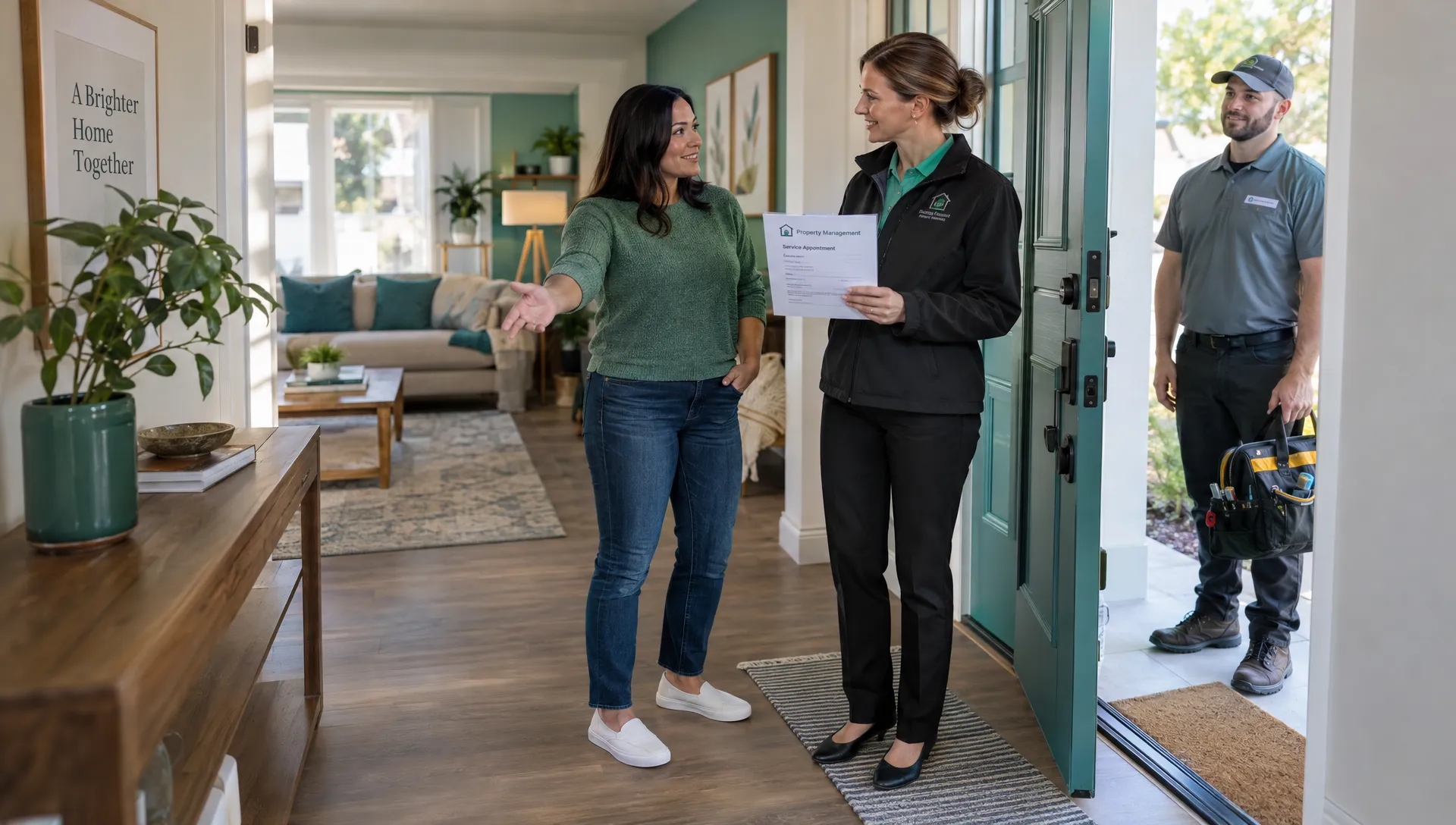
Scheduling Rental Property Repairs During Occupied Stays
Scheduling rental property repairs during an occupied mid-term stay requires more than finding an available contractor. You need to assess urgency, arrange lawful access and explain how the work will affect someone who is currently calling the property home.
For furnished rentals, that disruption can reach beyond the repair itself. A disconnected refrigerator affects groceries, an unavailable bedroom affects sleep and a lengthy service visit may interrupt remote work. The goal is to resolve the problem promptly while giving the resident a clear, reliable plan. Here is a practical process for Houston owners and landlords.
Triage the Problem Before Choosing a Date
Start with the condition, not the contractor’s calendar. A dripping faucet and water spreading beneath a kitchen cabinet may sound similar in a message, but they require different responses.
Use a simple priority framework to decide what happens next. These are operational categories, not legal deadlines:
| Priority | Examples | Scheduling approach |
|---|---|---|
| Immediate safety concern | Gas odor, sparking outlet, major active leak | Give appropriate safety instructions and contact emergency services, the utility or an emergency contractor as needed |
| Urgent loss of essential function | Failed cooling during dangerous heat, sewage backup, unusable only toilet | Assess promptly and arrange the earliest appropriate response based on conditions and legal duties |
| Disruptive but contained problem | Broken washer, malfunctioning dishwasher, damaged window covering | Set a confirmed appointment and explain any temporary workaround |
| Cosmetic or optional work | Paint touch-ups, decorative upgrades, minor finish imperfections | Combine visits or defer until turnover if doing so is safe and appropriate |
If there is immediate danger, tell residents to leave the affected area and contact 911 or the appropriate utility when warranted. Do not ask them to troubleshoot electrical hazards or locate a gas leak.
A report that initially sounds minor can escalate. Ask whether water is spreading, an exit is blocked or the condition is getting worse before assigning a routine appointment.
Understand Texas Repair and Entry Requirements
For Houston properties, rental property repairs should be scheduled around Texas law as well as the lease. An internal service target does not replace a statutory obligation.
Under the Texas Property Code’s residential repair provisions, landlords generally must make a diligent effort to repair qualifying conditions that materially affect an ordinary tenant’s physical health or safety after proper notice, subject to statutory requirements and exceptions.
Section 92.056 includes a rebuttable presumption that seven days is a reasonable repair period. That is not a universal seven-day deadline or permission to leave an emergency unattended. Relevant circumstances include the condition’s severity and the reasonable availability of labor, materials and utilities. Notice requirements and other statutory conditions also matter.
Entry is a separate issue. Do not assume a universal “24-hour notice” rule resolves every situation. Review the lease’s entry provisions and applicable law, provide the required notice and distinguish ordinary appointments from emergencies. Document the basis for emergency entry when it applies.
Calling someone a “guest” or labeling a stay “mid-term” does not, by itself, determine their legal rights. Have Texas counsel review your agreement and procedures if the occupancy arrangement is unclear, particularly before relying on a right to enter or delaying a disputed repair.
Build a Workflow for Occupied-Stay Rental Property Repairs
A repeatable process prevents missed messages, unnecessary visits and disputes about whether work was completed. Keep one record for each issue, even when the resident reports it through several channels.
Capture Enough Information to Send the Right Help
Record when the problem started, its location, what no longer works and whether the condition is worsening. Photos can help distinguish a loose cabinet handle from a damaged cabinet box, but do not require a resident to approach a hazard to document it.
For furnished properties, identify the specific item involved. Appliance model numbers, purchase records and prior service notes can help a technician arrive prepared. A resident reporting that “the bed is broken” may mean a loose frame connection, a damaged support or an unstable headboard, each requiring different materials.
Record contact preferences and access constraints in the same work order. Ask about pets, work calls or sleeping hours without collecting unnecessary personal or medical details.
Confirm Scope, Parts and Approval Before Dispatch
Before booking a routine visit, establish what the contractor expects to do. Ask whether they can diagnose and complete the work in one appointment, whether parts are available and whether utilities must be interrupted.
For rental property repairs that may exceed the initial scope, give the contractor a clear approval process. Identify who can authorize additional work and how they should reach that person. Any spending limit should include an escalation path so an urgent safety issue does not sit unattended while someone waits for an email reply.
Use qualified, appropriately licensed trades where required. If you are still building a vendor network, these criteria for choosing a property maintenance company can help you assess response procedures and occupied-home experience.
Agree on Access and a Realistic Arrival Window
Offer a specific arrival window rather than “sometime Tuesday.” Explain whether that window describes arrival or the entire job, since a two-hour arrival window does not mean the work will take two hours.
Confirm who will enter, how access will be provided and whether the resident needs to be present. If entry without the resident is permitted, follow the lease and applicable law rather than treating silence as consent.
Access instructions should address pets, alarms and any room the contractor actually needs to use. Share codes securely and limit access to the people doing the work. Avoid leaving a permanent code in a broadly distributed message thread.
Before the appointment, reconfirm contractor availability. If the technician is delayed, update the resident before the promised window passes whenever possible.
Verify Completion Instead of Closing on an Invoice
An invoice confirms a charge, not necessarily a successful repair. Ask the contractor to document the diagnosis, work performed, parts installed and any remaining concerns.
Close rental property repairs only after reasonable verification. Depending on the issue, that might mean checking that a drain flows, confirming an appliance completes a cycle or asking whether the original symptom has returned.
If parts are still pending, keep the work order open. Give the resident the next update date even when the completion date remains uncertain. Record temporary measures separately from the final repair so a workaround does not quietly become permanent.
Plan Around How the Resident Uses the Home
Mid-term residents may be relocating, receiving medical care, working a temporary assignment or waiting for another home to become available. Their schedules can differ sharply from a standard weekday routine.
Ask about the practical impact of the work. A night-shift worker may need an afternoon appointment. Someone working remotely may be able to accommodate a quiet appliance repair but not drilling during a scheduled call. Accommodate preferences where feasible without postponing necessary safety work.
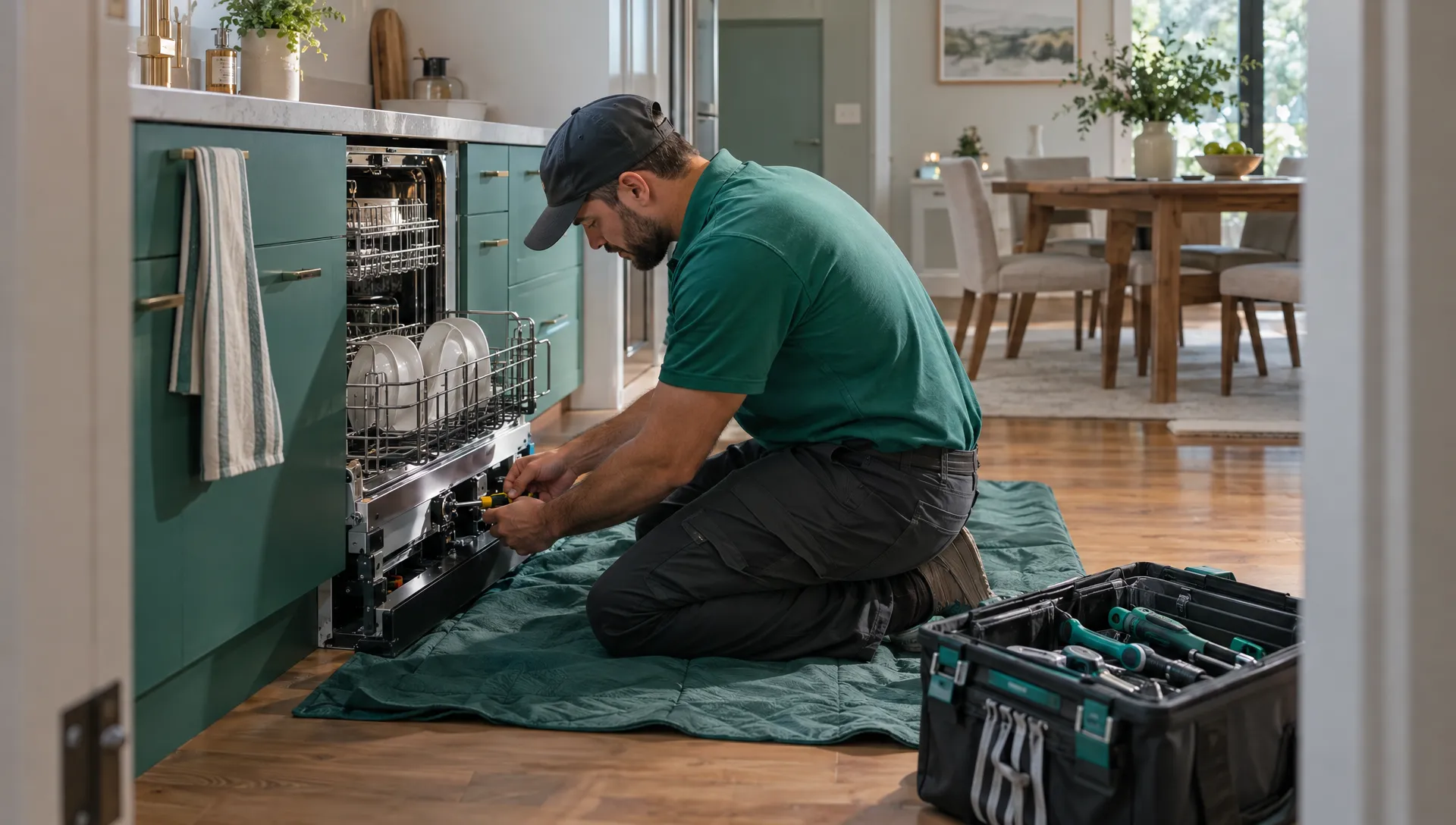
Before disruptive rental property repairs begin, explain which rooms or amenities will be unavailable, whether water or power will be shut off and how long the interruption is expected to last. Be honest when the duration is uncertain.
For furnished homes, protect the contents as well as the building. Require appropriate floor protection, clear tool storage and cleanup. Residents should not return to loose screws near a bed or a blocked route through the living room.
Batch compatible tasks when that reduces disruption, but avoid creating a crowded worksite. Combining a loose cabinet hinge repair with a scheduled appliance visit may make sense if the contractor can handle both. Scheduling plumbing, painting and furniture delivery together may make the home difficult to use.
Optional improvements should fit around the stay, not take priority over it. Unless there is a sound reason to proceed, save cosmetic projects for a vacant period.
Separate Repair Responsibility From Scheduling
The owner generally remains responsible for addressing qualifying property conditions, while residents should report problems promptly and follow lawful lease requirements. Who ultimately pays can depend on the cause, the agreement and applicable law.
For example, a failed appliance component is different from a broken shelf caused by misuse. Neither should be classified solely from the first message. Document the condition and obtain the technician’s findings before deciding whether a resident charge is appropriate.
Do not let a disagreement about responsibility delay an urgent response. Resolve the hazard first, preserve relevant evidence and handle any lawful cost allocation separately.
Likewise, a lease instruction to replace an accessible filter is not a substitute for professional HVAC diagnosis when the system stops cooling. Define routine resident tasks clearly, but do not assume a lease clause transfers every repair obligation to the occupant.
Budget for the Visit, Not Just the Replacement Part
Occupied-stay rental property repairs can involve diagnostic fees, additional labor, delivery charges and return visits. A low-cost component may still require a substantial service call.
Keep a maintenance reserve that reflects the property’s age, systems and furnished inventory. This guide to building a rental maintenance cost reserve provides a useful starting point. For scheduling purposes, know who can approve both the initial visit and a justified follow-up.
Track costs by work order rather than recording every payment as generic maintenance. That makes repeat visits and recurring failures easier to spot when deciding whether continued repair is sensible.
Do not assume insurance or damage protection will pay for ordinary wear, mechanical breakdown or every resident-related incident. Review the applicable terms before treating a potential reimbursement as available cash. Coverage questions should not hold up necessary safety measures.
Use a Clear Appointment Message
A short written confirmation can prevent confusion about access and disruption. Adapt this example to the actual work, lease and notice requirements:
We have scheduled [contractor/company] to address [reported issue] on [date], with an arrival window of [time range]. The technician expects to need access to [area]. [Amenity or utility] may be unavailable for approximately [estimated duration]. Please let us know about any access concerns or scheduling conflicts. We will confirm the entry arrangements separately and update you if the schedule changes. Contact [number] if the condition worsens before the visit.
Avoid promising completion that day unless the scope and parts availability support it. If the first visit is diagnostic only, say so before the resident rearranges their schedule.
Frequently Asked Questions
Can nonurgent work wait until the resident moves out? Cosmetic work often can, provided waiting will not create a safety issue, worsen damage or violate the lease or applicable law. A contained leak should not be treated like a paint touch-up simply because turnover is approaching.
Does the resident have to be home for the contractor? Not necessarily. That depends on lawful access arrangements, the lease and the work involved. Confirm the plan in advance, including pet handling and how the property will be secured afterward.
What if a resident repeatedly declines appointments? Document proposed times, responses and the notices provided. Offer reasonable alternatives where practical, then obtain legal guidance if necessary work remains blocked. Do not improvise entry procedures or assume refusal eliminates the landlord’s obligations.
How should owners track rental property repairs across longer stays? Maintain a single work-order history with the original report, priority, communications, access arrangements, contractor findings, invoices and completion checks. Keep unresolved issues visible, especially when a resident extends their stay.
Put the Repair Plan in Place Before the Next Stay
A workable occupied-stay process starts before anything breaks: clear reporting instructions, lawful access provisions, reliable contractors and defined approval responsibilities.
If you are considering a furnished mid-term rental, discuss your property and management needs with Scott Property Management. Include repair coordination in that conversation so the operating plan supports both the resident’s stay and your investment.