How to Choose a Property Maintenance Company for Rentals
Choosing a property maintenance company for rentals is not only about finding someone who can fix a leak or mow the lawn. For furnished mid-term rentals, the right partner helps protect cash flow, preserve furniture and appliances, reduce guest complaints and keep small issues from becoming expensive damage. That matters whether you own one inherited home, manage a growing rental portfolio or live out of town while your property works as an income-producing asset.
Mid-term rentals, often occupied for several weeks or months at a time, sit between nightly vacation rentals and traditional annual leases. They can offer a steadier rhythm than short-term rentals because there are fewer turnovers, lower cleaning costs and less vacancy between bookings. But because guests expect a move-in ready furnished home, maintenance standards need to be more proactive than reactive.
Why your rental model should guide the maintenance decision
A long-term tenant may bring their own furniture, set up utilities and handle minor day-to-day conveniences differently. A short-term guest may report issues immediately because their stay is brief and review-driven. A mid-term resident, such as a relocating professional, travel nurse, insurance housing guest or family between homes, expects comfort and reliability for an extended stay.
That changes what you need from maintenance. A property maintenance company that works with furnished rentals should understand that one broken appliance, unstable internet connection, clogged drain or worn-out sofa can affect the resident experience and your next booking. Maintenance becomes part of revenue protection, not just property upkeep.
For owners comparing rental strategies, Scott Property Management explains how furnished stays fit into a broader income plan in its guide to mid-term rental management. The key takeaway is simple: the more your property depends on readiness, comfort and repeatable guest experience, the more selective you should be about maintenance support.
What a Property Maintenance Company Should Handle for Furnished Rentals
A good maintenance partner should do more than respond when something breaks. For furnished mid-term rentals, ask whether the company can support preventive work, habitability needs, turnover readiness and vendor coordination without leaving you to chase every detail.
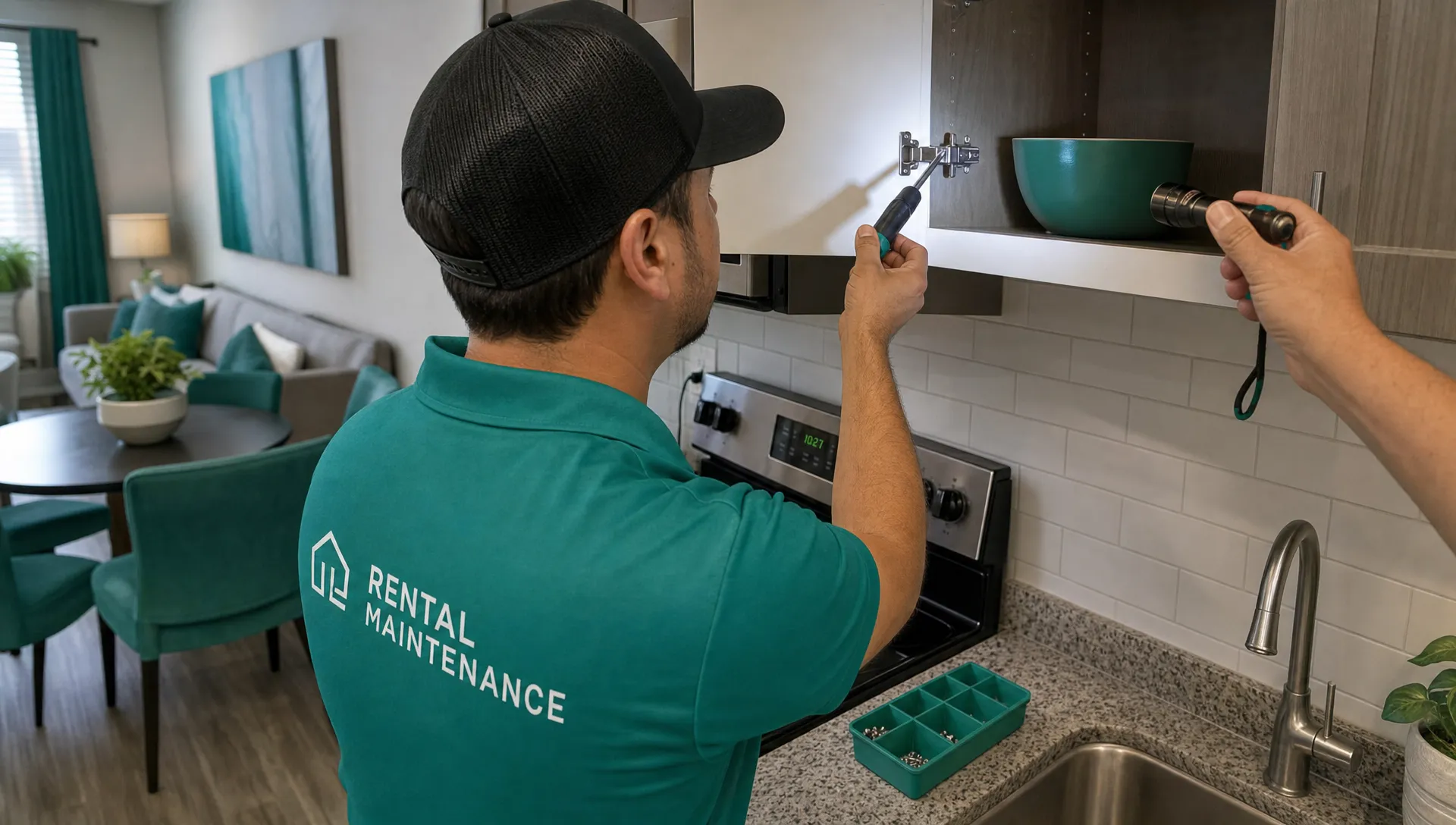
A property maintenance company used to occupied furnished homes should be able to document issues clearly, schedule repairs around residents, protect belongings during work and notice early warning signs. That could mean catching a slow leak before flooring is damaged, identifying wear on a bed frame before it affects a stay or replacing filters before HVAC performance becomes a complaint.
| Maintenance area | Why it matters for mid-term rentals | What to ask before hiring |
|---|---|---|
| Preventive checks | Reduces emergencies and surprise repair bills | How often do you inspect key systems? |
| Turnover readiness | Keeps the home move-in ready between residents | Do you check furniture, supplies and appliances? |
| Vendor coordination | Saves owners time and improves repair quality | Do you manage plumbers, HVAC techs and specialty vendors? |
| Documentation | Helps with owner decisions and damage records | Do you provide photos, notes and invoices? |
| Resident communication | Reduces frustration during occupied stays | Who communicates scheduling and access details? |
This is where maintenance and management often overlap. If your rental is fully furnished, the condition of the home is part of the product you are offering.
Start with your property’s actual risk profile
Before you compare companies, look at the property itself. A recently renovated townhome with newer appliances has a different maintenance profile than an older single-family home with mature trees, aging plumbing and multiple furnished bedrooms. A pool, yard, smart lock, garage door opener or second-story HVAC unit all add specific responsibilities.
A property maintenance company should be able to discuss these risks in plain language. If every property receives the same generic checklist, that may be a sign the company is not thinking like an investor. You want someone who can prioritize based on the age of systems, rental use, resident expectations and the cost of failure.
Inherited homes deserve special attention. Many owners discover deferred maintenance only after deciding to rent instead of sell. In that case, the goal is not to make the home perfect overnight. The goal is to identify what affects safety, habitability, insurability, comfort and income first.
For furnished rentals, it is also smart to separate cosmetic issues from income-threatening issues. A scuffed wall may wait until the next turnover. A dripping supply line, flickering electrical connection or unreliable refrigerator should not.
Questions to ask before you hire
The interview process should feel structured. A company that maintains rental homes should be comfortable explaining how it works, who does the work, what gets documented and how urgent issues are handled. If answers are vague before you hire them, they are unlikely to become clearer during a stressful repair.
Ask questions like these:
- How do you define emergency, urgent and routine maintenance?
- Do you work with occupied furnished rentals, not just vacant homes?
- Who communicates with residents when access is needed?
- Do you provide photos before and after repairs?
- How do you approve work above a certain cost?
- Are your vendors licensed or insured when the job requires it?
- Can you help identify recurring issues rather than only fixing symptoms?
- How do you handle maintenance during turnover windows?
A property maintenance company that gives specific answers will usually be easier to manage than one that relies on vague promises. For example, a clear approval process protects you from surprise invoices, but it also prevents delays when a repair is genuinely time-sensitive.
The same screening mindset applies in many high-trust service decisions. This guide on evaluating a specialized service provider before you commit makes a useful point about looking for consultation quality, transparent pricing and realistic maintenance expectations, which are also important when choosing rental service partners.
Look for communication that protects your time
Good maintenance is partly technical and partly operational. The repair itself matters, but so does how the issue is reported, scheduled, documented and closed out. For busy owners, especially those who live outside Houston, poor communication can turn a small repair into a week of texts, calls and uncertainty.
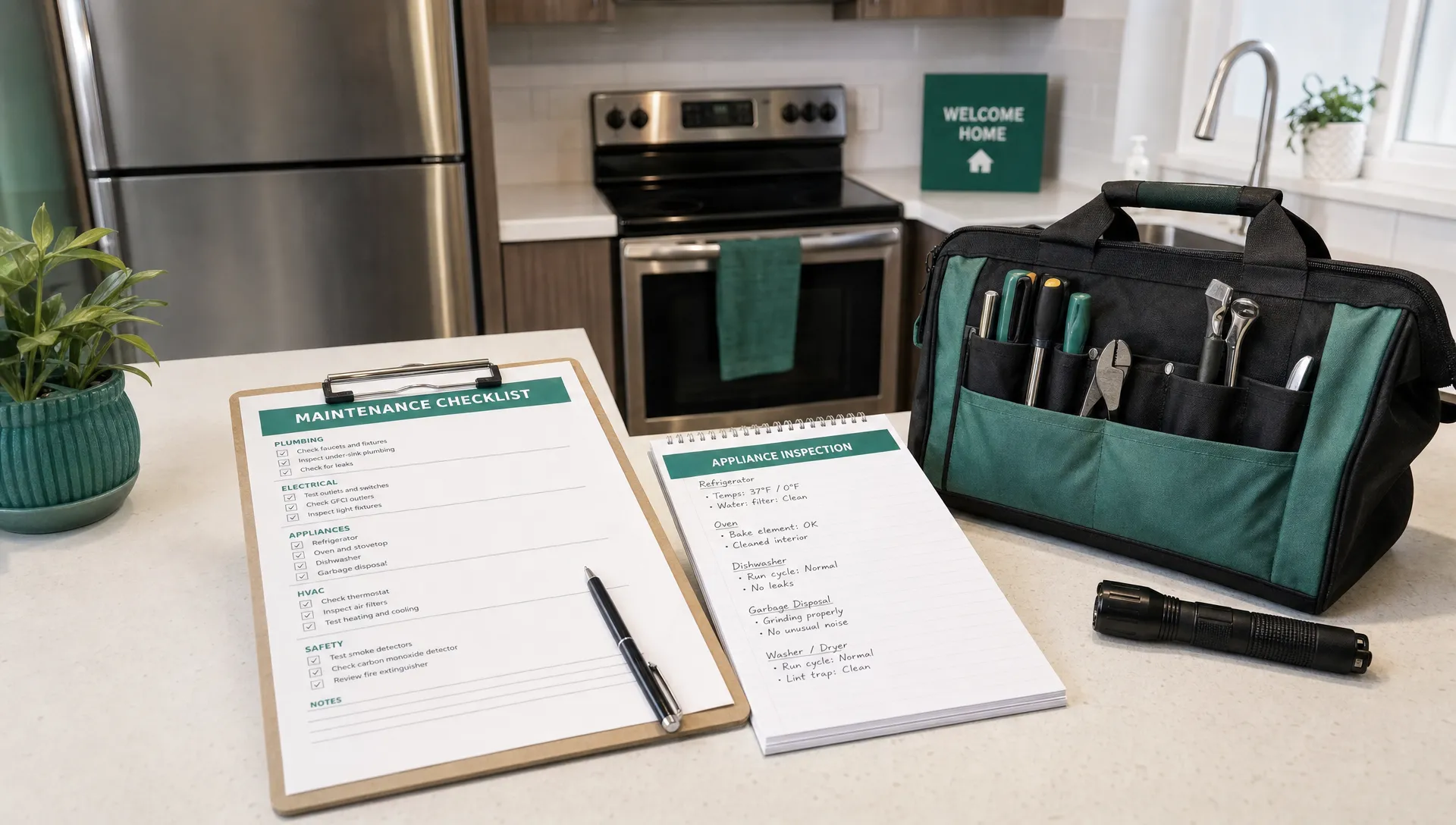
A property maintenance company should have a consistent process for collecting requests, confirming access, updating the owner and storing records. You do not necessarily need a complex system, but you do need a reliable one. If a resident reports a dishwasher leak, you should know when the report came in, what action was taken, whether water damage was found and what the final cost was.
Documentation also helps you make better investment decisions. If multiple repairs point to the same aging appliance, replacement may cost less than repeated service calls and resident frustration. If a particular fixture keeps breaking, you may need a more durable option before the next booking.
Compare pricing by value, not only by the lowest fee
Maintenance pricing can be difficult to compare because companies structure services differently. Some charge per visit, some offer ongoing plans and some coordinate maintenance as part of broader property management. The lowest upfront cost is not always the lowest total cost if it leads to delayed repairs, poor documentation or repeat visits.
When evaluating a property maintenance company, ask what is included and what is billed separately. Pay attention to trip charges, after-hours rates, vendor markups, inspection fees and any minimums. Also ask how they decide whether to repair or replace something, since that judgment can have a real impact on your net income.
Owners sometimes focus on maintenance as an expense, but for furnished rentals it is often a form of risk control. Preventive work can reduce emergency calls, protect furnishings and help avoid avoidable vacancy between stays. Scott Property Management covers this broader owner math in its article on how rates for property management vary by service level, which is helpful if you are weighing maintenance-only support against fuller management.
Use a simple scorecard before deciding
A basic scorecard can keep your decision objective. Instead of choosing based on personality or price alone, compare each company against the factors that matter most for your rental strategy.
| Evaluation factor | Strong sign | Weak sign |
|---|---|---|
| Furnished rental experience | Understands resident comfort, turnovers and belongings | Treats every property like a vacant repair job |
| Response process | Clear categories for emergency, urgent and routine work | No defined timeline or escalation path |
| Documentation | Provides photos, notes and itemized invoices | Sends vague updates or incomplete bills |
| Vendor standards | Uses qualified vendors for specialized work | Cannot explain who performs repairs |
| Owner communication | Gives concise updates and approval requests | Requires constant follow-up |
A property maintenance company does not need to be the cheapest to be the best fit. It needs to reduce owner workload, protect the asset and support the rental experience your guests are paying for.
Red flags rental owners should not ignore
Some warning signs show up before the first repair. If a company cannot answer basic questions, avoids written processes or pressures you to agree without understanding your property, keep looking.
Be cautious if you notice these issues:
- No experience with furnished or occupied rental properties
- Reluctance to provide documentation or photos
- Unclear emergency response expectations
- No written approval process for larger repairs
- Poor communication before you become a client
- Overpromising savings without inspecting the home
- Treating resident experience as unimportant
A property maintenance company that seems disorganized during the sales process may create even more friction once a resident is waiting for a repair. In mid-term rentals, delays do not just inconvenience the occupant. They can affect reviews, extensions, referrals and your ability to keep the property occupied.
If you have already dealt with repeated issues, it may be time to look beyond one-off repairs. Scott Property Management has also written about how property maintenance services prevent expensive rental damage, which can help owners think more proactively about damage prevention.
When maintenance should be part of full rental management
Some owners only need a reliable vendor list. Others need a coordinated system that connects marketing, resident placement, inspections, maintenance, protection and owner reporting. Furnished mid-term rentals often benefit from that integrated approach because the resident experience and property condition are closely tied to income.
If you are managing requests, coordinating vendors, handling turnover issues and trying to protect your schedule, the savings from doing it yourself may disappear quickly. A property maintenance company can handle repairs, but a property management partner may also help you reduce vacancy, set expectations with residents and make maintenance decisions in the context of your rental goals.
Scott Property Management focuses on furnished rental properties, with an emphasis on mid-term rentals that can provide more predictable income, fewer turnovers and lower cleaning and maintenance costs than a nightly rental model. The company also provides up to $50,000 in property damage protection as standard risk protection, giving owners another layer of confidence when renting furnished homes.
For many investors and owners, the right question is not simply who can fix this property. It is who can help this property perform reliably over time.
Frequently Asked Questions
How do I know if a property maintenance company is right for a mid-term rental? Look for experience with furnished, occupied properties. The company should understand resident communication, turnover timing, appliance reliability, furniture condition and documentation. Mid-term rentals need maintenance that supports comfort for weeks or months, not only quick repairs between nightly stays.
Should I hire a maintenance company or a full property management company? If you only need occasional repairs and you have time to coordinate residents, vendors and follow-up, a maintenance vendor may be enough. If you want help with furnished rental operations, guest expectations, income consistency and risk protection, full management may be a better fit.
What maintenance issues are most important in furnished rentals? Prioritize HVAC, plumbing, electrical, appliances, locks, internet readiness, safety items and anything that could create water damage or disrupt an occupied stay. Cosmetic improvements matter too, but habitability and income protection should come first.
How often should a furnished rental be inspected? Inspection timing depends on the property, booking length and local requirements. Many owners benefit from checks between stays plus periodic preventive reviews of major systems. The main goal is to catch wear, leaks and safety concerns before they become expensive repairs.
Make maintenance easier to manage
Choosing the right maintenance partner can make your rental feel less reactive and more predictable. For furnished mid-term rentals, that means fewer surprises, better resident experiences and more confidence that your home is being protected.
If you own a furnished property in the Houston area and want maintenance support connected to a broader rental strategy, Scott Property Management can help you evaluate whether mid-term rental management is the right fit for your goals.