How Property Maintenance Services Prevent Expensive Rental Damage
For furnished mid-term rentals, property maintenance services are not just a way to keep a home looking nice. They are a damage prevention system that protects cash flow, reduces emergency repairs and keeps guests comfortable during stays that often last 30 days to several months.
This matters because rental damage rarely starts as a dramatic event. A slow sink leak, clogged condensate line, loose stair rail or neglected HVAC filter can quietly become a four-figure problem. For real estate investors, property owners, landlords and families managing inherited homes, the difference between a profitable rental and a stressful one often comes down to how quickly small issues are caught.
Mid-term rentals sit in a unique place between short-term and long-term housing. They usually have fewer turnovers than nightly rentals, but they still need more active oversight than a traditional annual lease, especially when the property is furnished. Good maintenance protects the structure, the furniture, the guest experience and your ability to earn predictable income.
Why maintenance matters more in furnished mid-term rentals
A mid-term rental is typically occupied by traveling professionals, relocating families, insurance housing guests or people between homes. These guests often expect a move-in-ready experience, including functional appliances, clean furniture, strong WiFi, comfortable climate control and a fully equipped kitchen.
That expectation raises the stakes. If the dishwasher leaks in an unfurnished long-term rental, the tenant may tolerate a short delay. If the same issue happens in a furnished mid-term rental, it can affect the guest experience, damage cabinetry and create a negative impression that hurts future bookings.
That is why property maintenance services should be viewed as income protection, not only an operating expense. Preventive maintenance helps preserve the property while supporting stronger occupancy and fewer surprise costs.
Furnished rentals also contain more owner-owned assets than a standard rental. Sofas, mattresses, kitchenware, televisions, linens and decor all need periodic checks. Even normal wear can become expensive if it is not documented and addressed between stays.
The hidden costs of small rental damage
The expensive part of rental damage is not always the repair itself. A small plumbing issue might cost less than a full vacancy period, a last-minute contractor premium or the replacement of flooring that could have been saved with quicker intervention.
The CDC advises fixing leaks and drying wet areas promptly to help prevent mold. For rental owners, that practical guidance is also financial guidance. Moisture, heat and time turn manageable repairs into larger remediation projects.
| Small issue | What can happen if ignored | Why it affects income |
|---|---|---|
| Slow drain or minor leak | Cabinet swelling, odor, mold risk | Repairs may require vacancy or guest relocation |
| Dirty HVAC filter | System strain, poor cooling, frozen coils | Comfort complaints and emergency service calls |
| Loose furniture or fixtures | Breakage, safety concerns, poor reviews | Replacement costs and reputation damage |
| Worn caulk around tubs | Water intrusion behind walls | Costly hidden damage and longer downtime |
| Pest entry points | Infestation and sanitation issues | Guest dissatisfaction and treatment delays |
In a mid-term rental, the goal is not to eliminate every maintenance cost. That is impossible. The goal is to keep small, predictable work from turning into large, disruptive damage.
How property maintenance services prevent expensive rental damage
The best property maintenance services do three things well: inspect consistently, respond quickly and keep clear records. When those habits are built into rental operations, owners gain more control over repairs instead of reacting only after a guest reports a problem.
Regular inspections catch damage early
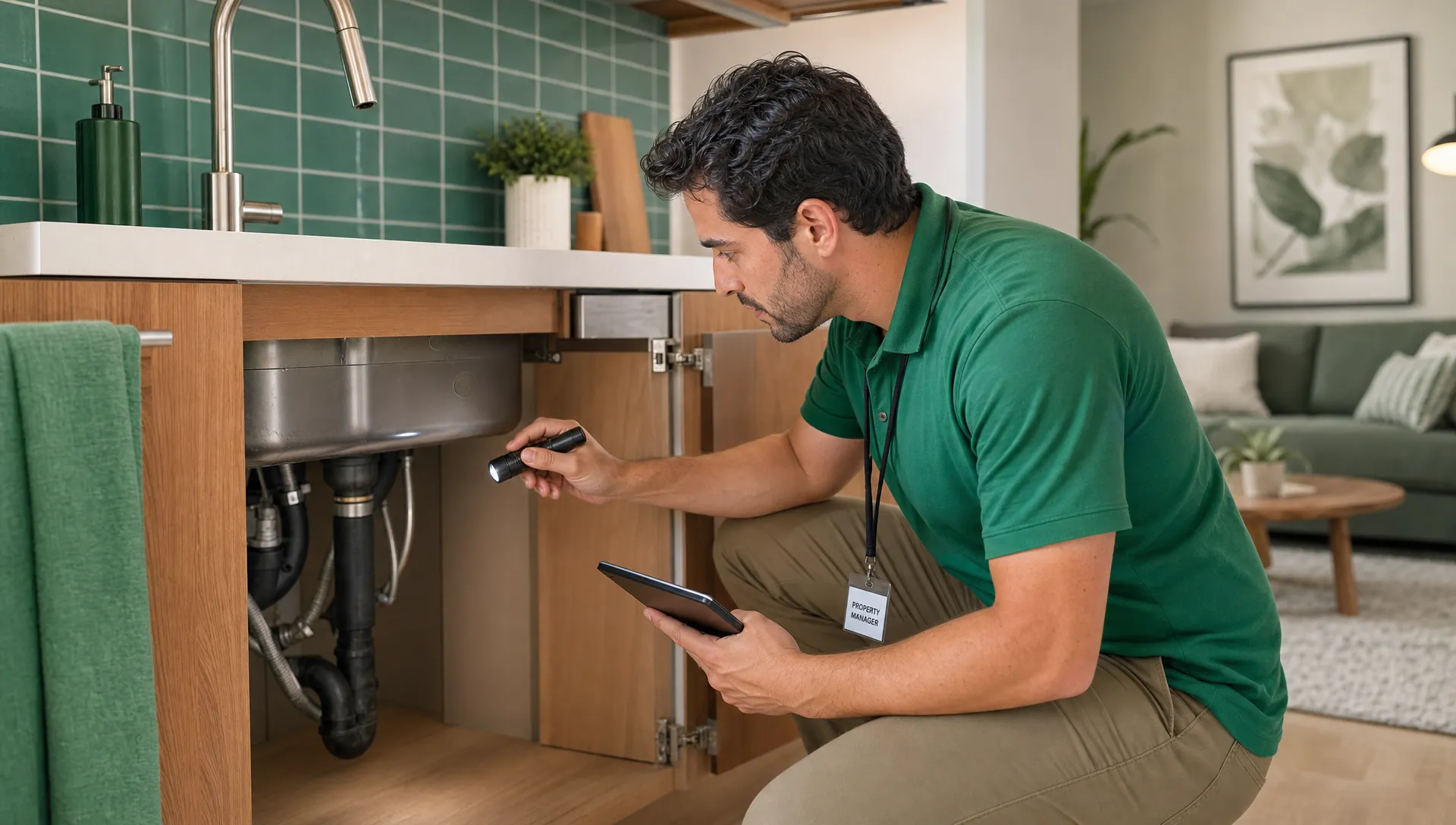
Inspections are one of the most effective ways to prevent expensive rental damage. In a furnished mid-term rental, inspections should look beyond obvious cleanliness and include water sources, appliances, HVAC performance, doors, windows, furniture condition and exterior drainage.
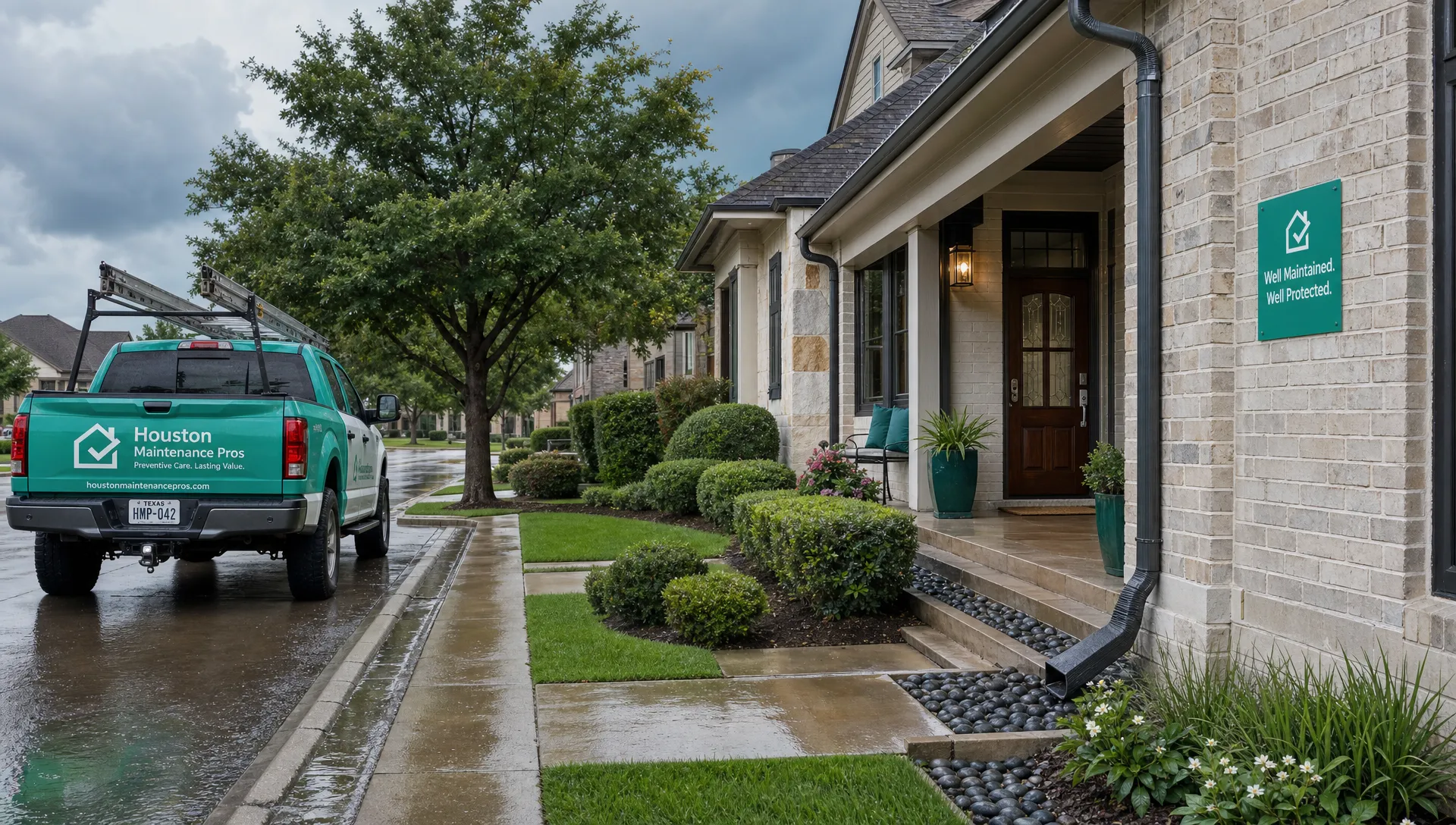
A property does not need to be disrupted constantly to be well maintained. The right rhythm depends on the length of stay, guest profile, property age and local climate. In Houston, for example, humidity and heavy rain make water intrusion, HVAC performance and pest prevention especially important.
Reliable property maintenance services create a repeatable inspection rhythm so the same critical items are checked every time. This prevents maintenance from depending on memory or guesswork.
Turnover checks protect furniture and finishes
Mid-term rentals have fewer turnovers than short-term rentals, which can reduce cleaning and reset costs. Still, every turnover is an opportunity to catch damage before the next guest arrives.
A strong turnover review should verify that appliances work, filters are clean, drains flow properly, furniture is intact, linens are in good condition and walls or floors have not been damaged. Photos can help document property condition and separate normal wear from guest-caused damage.
For owners exploring whether this model fits their investment goals, Scott Property Management offers more context on mid-term rental management and why furnished rentals can support steadier income with fewer turnovers than nightly stays.
Preventive maintenance lowers emergency repair risk
Emergency repairs are expensive because they compress time. Owners may have fewer vendor options, guests may be inconvenienced and a repair that could have been scheduled calmly becomes urgent.
Preventive maintenance reduces that risk by addressing known failure points before they interrupt a stay. HVAC servicing before peak summer, drain checks, appliance testing, gutter clearing, pest prevention and weatherproofing can all reduce the chance of mid-stay emergencies.
What a maintenance system should include
Effective property maintenance services turn maintenance into a documented system. That system does not need to be complicated, but it does need to be consistent enough that issues are not missed from one guest stay to the next.
A practical maintenance program for furnished mid-term rentals usually includes a combination of routine checks, guest communication, vendor coordination and owner reporting. The more organized the process, the easier it is to control costs and make informed decisions.
| Maintenance moment | What to check | Owner benefit |
|---|---|---|
| Before guest arrival | Cleanliness, utilities, appliances, furniture, safety items | Fewer immediate complaints and smoother move-ins |
| During longer stays | HVAC filters, plumbing concerns, pest signs, exterior issues | Earlier detection of problems that guests may overlook |
| After move-out | Damage, missing items, wear, deep cleaning needs | Better documentation and faster readiness for the next booking |
| Seasonally | HVAC service, roof and gutter review, weather sealing, landscaping | Lower risk from weather and system strain |
| After major storms | Water intrusion, roof concerns, fencing, drainage | Faster response before damage spreads |
Documentation is especially important for furnished rentals. It helps owners understand patterns, make better capital improvement decisions and avoid repeated spending on temporary fixes.
Maintenance priorities that protect rental income
Every property has different needs, but certain maintenance categories deserve special attention in mid-term rentals. These areas are more likely to affect guest comfort, cause hidden damage or interrupt income if neglected.
A smart maintenance plan should pay close attention to:
- Plumbing connections under sinks, around toilets and near water heaters
- HVAC filters, drain lines, thermostat function and seasonal servicing
- Appliance performance, including refrigerators, washers, dryers and dishwashers
- Exterior drainage, gutters, roof penetrations and door seals
- Pest prevention, especially around kitchens, garages and exterior openings
- Furniture condition, mattress protection, upholstery and hardware
- Safety basics such as smoke alarms, carbon monoxide alarms where applicable, railings and exterior lighting
For investors, property maintenance services also protect the guest experience. A clean, functional home makes it easier to earn repeat bookings and referrals, while unresolved maintenance creates avoidable friction even when the location and furnishings are strong.
This is one reason mid-term rentals often benefit from professional oversight. The owner is not only renting a structure. The owner is offering a furnished, livable home that needs to perform well throughout the stay.
Why mid-term rentals can reduce some maintenance pressure
Short-term rentals may generate higher nightly rates, but frequent turnovers can increase cleaning, restocking and wear. Long-term rentals may reduce turnover, but owners can go long periods without seeing inside the property. Mid-term rentals can provide a balanced option for many furnished rental owners.
With stays often measured in weeks or months, mid-term rentals may involve fewer guest transitions than short-term rentals. That can mean less repetitive wear from constant check-ins, luggage movement and cleaning cycles. At the same time, owners can maintain more regular visibility than they might have with a year-long lease.
In a furnished mid-term rental, property maintenance services should fit the booking rhythm. The goal is to inspect at natural transition points, support guests during their stay and keep the home ready without creating unnecessary interruptions.
For a deeper look at the broader business impact of professional management, this article on how a property management company in Houston adds value explains how management can affect more than day-to-day operations.
When to repair, replace or upgrade
Not every maintenance issue should be handled the same way. Sometimes the lowest-cost repair is the right choice. Other times, repeated service calls signal that replacement will protect income better than another patch.
Smart property maintenance services help owners compare repair cost, property downtime, guest impact and the age of the item. This is especially useful for appliances, HVAC components, mattresses, sofas and high-use kitchen items in furnished rentals.
A basic decision framework looks like this:
| Situation | Better option | Reason |
|---|---|---|
| First minor issue on a newer item | Repair | Preserves value without unnecessary replacement |
| Repeated failures on an older item | Replace | Reduces guest disruption and repeat labor costs |
| Visible wear that affects presentation | Upgrade | Supports stronger guest satisfaction and marketability |
| Safety or water risk | Address immediately | Prevents liability concerns and secondary damage |
Owners should also consider whether an upgrade can reduce future maintenance. Durable flooring, washable slipcovers, mattress protectors, quality door hardware and easy-to-clean surfaces can all help a furnished rental withstand regular use.
The role of guest communication in damage prevention
Guests are often the first people to notice when something feels off. A toilet that keeps running, an air conditioner that struggles or a refrigerator that is not cooling properly can be addressed faster when guests know how to report issues and feel comfortable doing so.
Clear communication should be friendly and simple. Guests should know who to contact, what types of issues should be reported promptly and what to do in urgent situations such as active leaks. The tone matters because guests may hesitate to report something if they fear being blamed.
Good communication also helps distinguish accidental damage, normal wear and maintenance issues that existed before the stay. For owners, that clarity can reduce disputes and support better decisions about repairs.
Frequently Asked Questions
Do property maintenance services really save rental owners money? Yes, when they are consistent and preventive. They help catch leaks, HVAC issues, appliance problems and wear before they become more expensive repairs or cause vacancy.
How often should a mid-term rental be inspected? The right schedule depends on the length of stay, property condition and guest agreement. Many owners benefit from inspections at move-in readiness, move-out and seasonal intervals, with additional checks for longer stays or after storms.
What maintenance issues cause the most expensive rental damage? Water problems are among the most costly because they can affect flooring, cabinets, walls and indoor air quality. HVAC failures, pest issues and neglected exterior drainage can also create expensive disruptions.
Are furnished rentals harder to maintain than unfurnished rentals? They require more asset oversight because furniture, linens, kitchen items and electronics belong to the owner. However, a good system can make furnished rental maintenance predictable and manageable.
Protect your furnished rental with a maintenance-minded partner
Rental damage is easier to prevent than recover from. With the right maintenance plan, furnished mid-term rentals can stay guest-ready, protect owner assets and support more predictable income.
Scott Property Management specializes in furnished rental properties and mid-term rental strategy. Short-term rentals can generate higher nightly rates, but mid-term rentals often provide steadier income, fewer turnovers, lower cleaning and maintenance costs and reduced vacancy between bookings. Scott Property Management also provides up to $50,000 in property damage protection as standard risk protection, giving owners added peace of mind.
If you own a furnished rental, inherited home or investment property in the Houston area, Scott Property Management can help you think through a smarter maintenance and rental strategy that protects both your property and your returns.