Rental Management Workflows That Keep Owners Informed
Rental management is easiest to trust when owners know what is happening before they have to ask. For furnished mid-term rentals, that trust comes from clear workflows: booking updates, move-in readiness checks, maintenance documentation, financial reporting and proactive vacancy planning. Owners do not need every minor operational detail in real time, but they do need the right information at the right moment so they can understand performance, protect the property and make confident decisions.
That is especially true for real estate investors, landlords with inherited homes, out-of-town owners and sellers who are holding a property for future plans. Mid-term rentals can offer steadier occupancy than nightly stays and more flexibility than a traditional lease, but they only work well when communication is organized.
Why Rental Management Workflows Matter More in Mid-Term Rentals
Mid-term rental stays often last weeks or months, so the management rhythm is different from both short-term hosting and long-term leasing. There are fewer turnovers than nightly rentals, but each resident relationship, cleaning schedule, furnishing check and maintenance issue can have a larger impact on owner returns.
A good workflow turns scattered updates into a repeatable operating system. Instead of sending random messages when something happens, the manager creates predictable checkpoints around the life cycle of the property. Owners can then see how their asset is performing without having to chase down answers.
The best rental management communication is not about overwhelming owners with notifications. It is about creating visibility into the decisions that affect income, risk and property condition. When those decisions are documented, owners can review performance, plan expenses and stay aligned with the manager’s strategy.
Workflow 1: Owner Onboarding and Goal Setting
Clear owner communication starts before the property is marketed. A manager should understand the owner’s financial goals, risk tolerance, preferred level of involvement and long-term plans for the home. An investor who wants monthly cash flow may need a different strategy than a homeowner who may move back in next year.
This onboarding stage should also define what the owner wants to see in regular updates. Some owners care most about net income and occupancy. Others want to know about furnishing wear, neighborhood demand, maintenance reserves or whether the property is positioned well for corporate stays, relocation guests or insurance housing.
A strong onboarding workflow usually documents:
- Ownership goals and target hold period
- Furnishing condition and inventory expectations
- Maintenance approval limits
- Preferred update frequency
- Banking, insurance, HOA and utility details
- Seasonal concerns such as HVAC load or storm preparation
This is also the point where expectations around mid-term strategy should be set. If an owner is comparing leasing models, Scott Property Management’s guide on long-term leases vs. mid-term rentals can help clarify the tradeoffs before the management plan is finalized.
Workflow 2: Marketing, Calendar and Booking Updates
Once the property is ready, owners need visibility into demand. That does not mean reviewing every inquiry, but it does mean understanding whether the listing is getting traction, whether pricing is competitive and whether upcoming gaps require attention.
For furnished properties, rental management workflows should connect marketing activity with the booking calendar. If the property receives inquiries but few qualified applications, the issue may be price, photos, stay length, location fit or screening criteria. If demand is strong but gaps remain between stays, the next step may be adjusting minimum stay rules or targeting different guest profiles.
| Workflow moment | Owner question answered | Useful update |
|---|---|---|
| Listing goes live | Is the home being marketed properly? | Photos, description status and target guest profile |
| Inquiry activity changes | Is demand strong enough? | Inquiry volume, common stay dates and pricing notes |
| Booking is confirmed | What income is expected? | Stay dates, rent terms and move-in timeline |
| Calendar gap appears | Could vacancy affect returns? | Gap length, pricing adjustment and next action |
| Stay approaches end date | What happens next? | Renewal possibility, turnover plan or remarketing date |
Owners make better decisions when booking updates focus on what changed and what action is being taken. A simple “no update” message is rarely helpful. A better update explains whether the current strategy is working, whether a change is recommended and why.
Workflow 3: Screening and Move-In Readiness
Mid-term residents often choose furnished rentals because they need flexibility. They may be relocating, working on assignment, waiting for a home repair or staying near family or medical care. That variety makes screening and move-in preparation especially important.
A professional workflow should confirm that the booking terms, payment expectations, occupancy details and house rules are clear before the resident arrives. Owners do not need to manage these details personally, but they should know the process is consistent. Consistency reduces misunderstandings and protects the property.
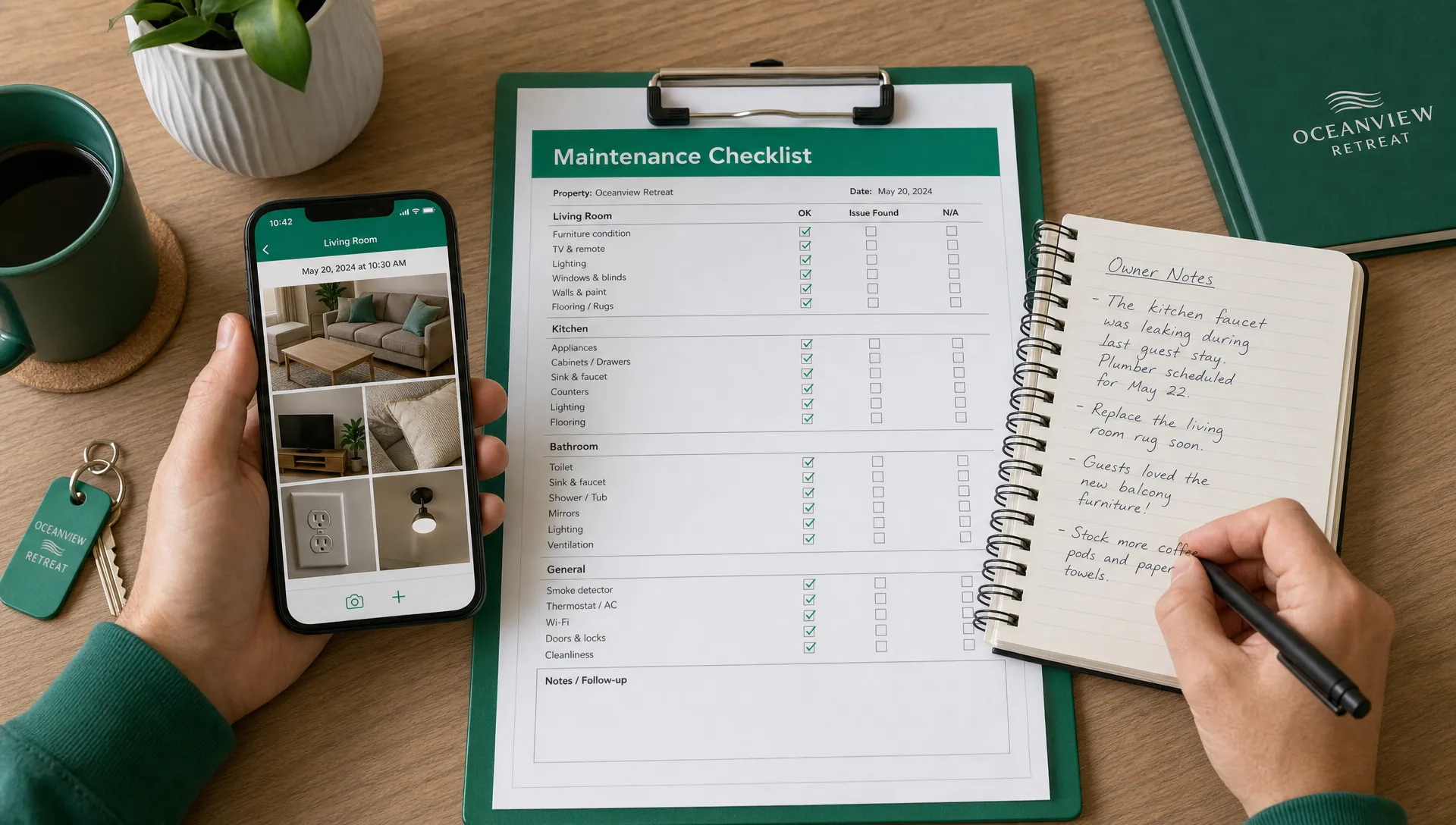
Move-in readiness is where small details matter. A missing remote, weak Wi-Fi signal, stained bedding or confusing access instruction can create friction at the start of a stay. A manager who uses checklists can catch those issues before they become owner problems.
In practice, mid-term rental management depends on repeatable move-in steps: verifying access, confirming utilities, checking furnishings, documenting condition and making sure the resident has the information needed for a smooth stay. When owners receive a concise readiness update, they know the property is not just booked, but prepared.
Workflow 4: Maintenance Triage and Property Condition Updates
Owners want to be informed about maintenance, but they also want problems handled efficiently. The workflow should separate urgent issues from routine work and cosmetic concerns. A leak, HVAC failure or electrical problem needs fast action. A loose cabinet pull can be scheduled without disrupting the stay.
For furnished rentals, maintenance is also tied to guest experience and asset preservation. Furniture, appliances, linens, locks, internet equipment and kitchen supplies are part of the rental product. If those items are not tracked, small losses can quietly reduce profit.
A good maintenance workflow answers three questions for the owner: what happened, what is being done and whether approval is needed. The update should include enough context to support a decision, especially when the repair is outside the agreed approval limit.
Scott Property Management has covered this risk-control mindset in more detail in its article on how property maintenance services prevent expensive rental damage. The same principle applies here: communication should not only report problems, it should help prevent repeat problems.
Workflow 5: Financial Reporting Owners Can Actually Use
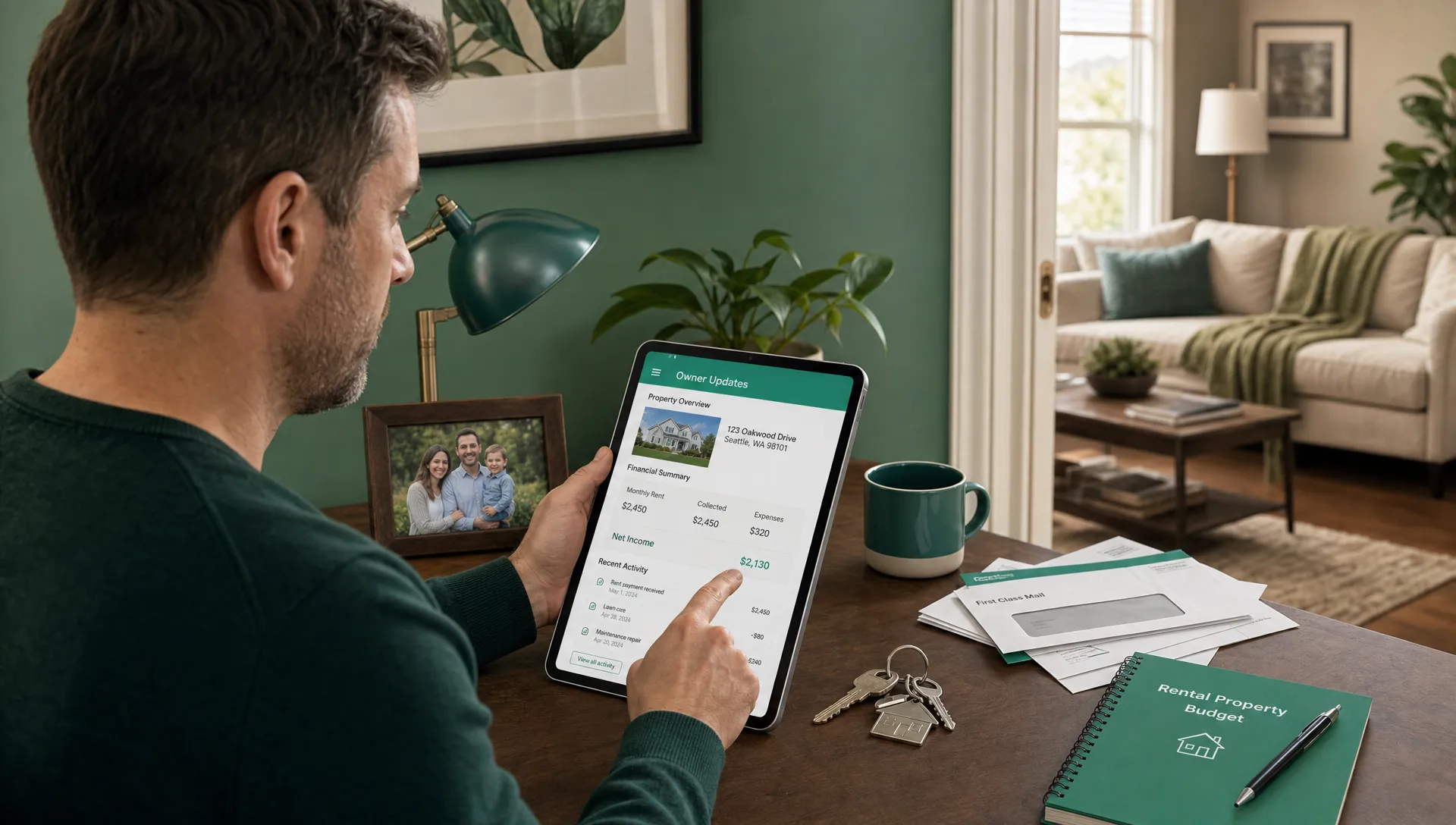
Financial reports should be easy to read, timely and connected to the owner’s goals. A statement that simply lists deposits and expenses is useful, but it does not always explain performance. Owners benefit from context around occupancy, cleaning costs, repair spending, supply replacement, upcoming vacancy and projected cash flow.
For investors, the right rental management report can also support broader financial planning. If an owner wants to refinance, buy another property or discuss lending options, organized income and expense documentation can make the conversation smoother. Owners preparing for financing can also review what lenders look for in investment mortgage loans, including rental income, reserves, debt-to-income calculations and property cash flow.
The most helpful financial reporting usually includes gross income, management-related expenses, maintenance costs, net owner proceeds and notes about upcoming items. Owners should not have to guess why one month looks different from another.
If cash flow predictability is a central goal, it is also worth reviewing how property rentals can deliver more predictable cash flow. Reporting becomes more valuable when it helps owners see patterns rather than isolated monthly numbers.
Workflow 6: Renewal, Turnover and Vacancy Planning
Mid-term rentals perform best when the next step is planned before the current stay ends. That may mean offering a renewal, preparing for turnover, updating photos, adjusting pricing or approving preventive maintenance during the gap.
A renewal workflow should start early enough to avoid a surprise vacancy. If the resident is likely to extend, the owner should know the expected terms. If the resident is leaving, the manager should outline the turnover plan and marketing timeline.
This is where owners can lose money without realizing it. A property may look profitable on paper, but if communication is delayed, a week or two of preventable vacancy can reduce net returns. Good planning keeps the owner informed while giving the manager time to act.
A strong rental management workflow also accounts for seasonality. In Houston, weather, relocation patterns, school calendars, medical assignments and corporate travel can all influence demand. Owners do not need to track every market signal themselves, but they should receive enough context to understand why a pricing or timing recommendation is being made.
What an Effective Owner Update Should Include
Owner updates should be concise, but not vague. The goal is to help owners understand current status, next steps and any decision required from them. If every update requires follow-up questions, the workflow is not doing its job.
A practical update often includes the property status, recent activity, financial impact, maintenance notes and recommended action. For example, “The current resident is scheduled to move out on October 15. We are confirming renewal interest this week. If they do not extend, we recommend opening availability for a 30-plus-day stay beginning October 18 after cleaning and inspection.”
That kind of message gives the owner confidence because it ties facts to action. A rental management update should not just say what happened. It should explain what it means for the property and what happens next.
How Technology Helps Without Replacing Judgment
Technology can make owner communication faster and more consistent. Shared calendars, digital statements, inspection photos, maintenance records and document storage all reduce confusion. They also create a useful history when owners need to review expenses, insurance questions or property performance.
Still, software is only as good as the process behind it. An owner portal cannot decide whether a repair is urgent, whether a pricing adjustment makes sense or whether a furnishing issue may hurt future bookings. Those decisions require judgment, local context and experience with furnished rentals.
The right balance is simple: use tools to organize information, then use professional oversight to interpret it. Owners should be able to see the facts and understand the reasoning behind the recommendation.
Frequently Asked Questions
How often should owners receive updates on a mid-term rental? Owners should receive updates at key moments such as listing launch, booking confirmation, move-in preparation, maintenance issues, renewal discussions, turnover planning and monthly financial reporting. The exact cadence depends on the property and owner preferences.
What should a rental management report include? A useful report should include income, expenses, net proceeds, occupancy status, maintenance notes, upcoming vacancies and any recommended actions. The best reports connect numbers to property performance.
Do owners need to approve every maintenance item? Not usually. Many owners set an approval threshold so routine repairs can be handled quickly while larger expenses require owner review. This keeps the property moving without sacrificing control.
Why are workflows especially important for furnished rentals? Furnished rentals have more moving parts than unfurnished homes, including furniture, supplies, utilities, cleaning, access, internet and condition documentation. Workflows help keep those details from becoming expensive surprises.
A More Informed Way to Manage a Furnished Rental
The strongest owner relationships are built on clarity. When the workflow is organized, owners understand how their property is being marketed, when income is expected, what maintenance is needed and how vacancies are being handled.
Scott Property Management specializes in furnished mid-term rentals for owners who want stronger income potential without managing every detail themselves. The company’s approach is designed to support more predictable income, fewer turnovers, lower cleaning and maintenance strain and reduced vacancy between bookings. Standard risk protection also includes up to $50,000 in property damage protection, giving owners additional peace of mind.
If you want rental management that keeps you informed without adding more work to your week, talk with Scott Property Management about a furnished rental strategy for your home or investment property.