
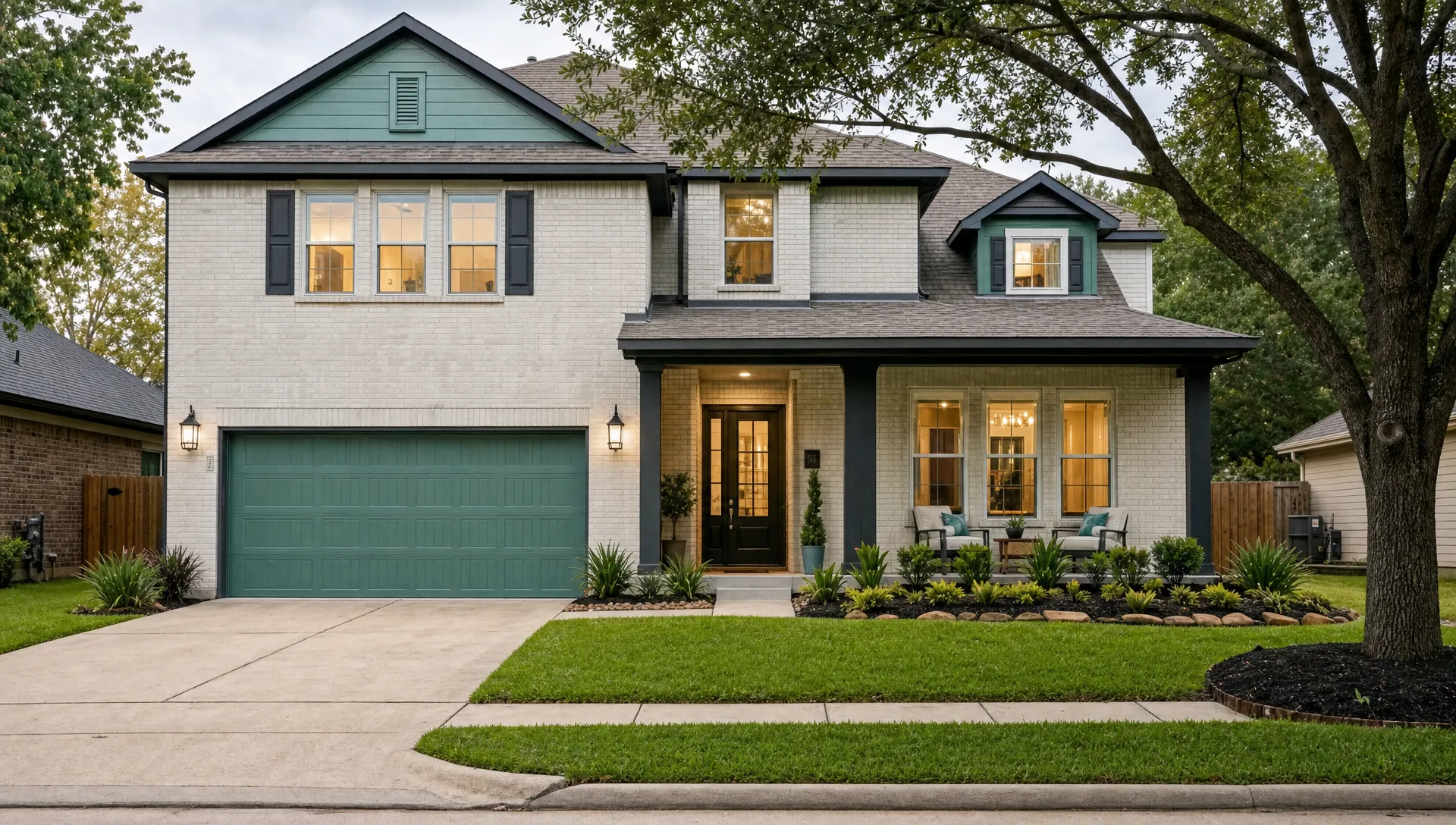
Long Term Leases vs. Mid-Term Rentals for Owners
For many rental owners, long term leases feel like the safe default: sign a tenant, collect rent each month and avoid constant marketing. That model can work well, especially for owners who want simplicity. But if your property is furnished, located near major employers or attractive to relocating professionals, a mid-term rental strategy may offer a better balance of income, flexibility and reduced turnover.
The decision is not only about monthly rent. Owners should compare vacancy, operating costs, guest profile, lease control, maintenance exposure and how much time they want to spend managing the property. A furnished home can underperform if it is treated like a basic unfurnished rental, but it can also become stressful if it is managed like a high-turnover vacation rental.
Long Term Leases vs. Mid-Term Rentals: What Owners Are Really Comparing
Traditional leasing and mid-term housing solve different owner problems. A traditional lease prioritizes stability. A mid-term rental prioritizes flexibility and furnished-use value, usually with stays of 30 days or more.
For Houston property owners, this comparison is especially relevant because the city has strong demand from medical professionals, energy-sector workers, corporate transferees, consultants, insurance housing guests and families between homes. Many of these renters do not want a weekend stay, but they also do not want to sign a full year.
Before choosing a strategy, owners should ask one practical question: which model creates the strongest net return after vacancy, cleaning, maintenance, furnishing costs and management time?
How a Traditional Lease Works for Owners
The appeal of long term leases is operational simplicity. A tenant usually commits for 12 months or longer, pays utilities in many cases and brings their own furniture. Once the tenant is placed, the owner’s main responsibilities are rent collection, repairs, renewals and compliance with lease obligations.
This works particularly well for unfurnished homes, owners who live far away or properties in neighborhoods where year-round tenant demand is steady but furnished rental demand is uncertain. It can also suit owners who prefer fewer decisions and do not need access to the home for future sale, renovation or personal use.
Where the model is strongest
A traditional lease can reduce marketing work and limit move-in and move-out coordination. It may also make budgeting easier because the same rent is expected each month during the lease term.
The tradeoff is that owners usually give up flexibility. If market rents rise, if you decide to sell or if you inherit a home and want to keep your options open, a year-long commitment can feel restrictive. You also rely heavily on one tenant’s payment performance and care for the home.
How Mid-Term Rentals Change the Equation
Compared with long term leases, a mid-term rental is built around furnished stays that last weeks or months rather than days or years. These guests often need a turnkey home with reliable Wi-Fi, a stocked kitchen, comfortable furniture, clean linens and responsive support.
The nightly or monthly rate is often higher than an unfurnished lease, but owners should not focus on rate alone. The real question is whether the higher furnished-rental income offsets utilities, furniture, supplies, cleaning, vacancy and management.
Mid-term rentals typically sit between two extremes. They avoid much of the constant churn of short-term rentals, but they can still produce stronger income potential than a standard unfurnished lease when the property is positioned well.
Who rents mid-term furnished homes?
Common mid-term renters include traveling nurses, physicians on rotation, relocating employees, project managers, consultants, families renovating their primary residence and policyholders needing temporary housing after a claim.
Houston also has a deep base of port, energy, medical, construction and logistics activity. When companies move teams or equipment for extended projects, workers may rely on transportation and supply-chain partners such as freight forwarding and logistics providers, and those assignments can create demand for furnished housing that feels more like home than a hotel.
Owner Comparison: Traditional Lease and Mid-Term Rental
The right strategy depends on your goals, the property’s condition and your tolerance for operational involvement. This table gives a high-level comparison.
| Factor | Traditional lease | Mid-term rental |
|---|---|---|
| Typical stay length | Often 12 months or longer | Often 30 days to several months |
| Furnishing requirement | Usually unfurnished | Usually fully furnished |
| Income profile | More fixed monthly rent | Potentially higher monthly revenue, with more variables |
| Turnover frequency | Low | Moderate |
| Vacancy risk | Lower between annual terms if renewal is strong | Lower than nightly rentals, but still requires active demand management |
| Owner flexibility | Limited during lease term | Greater flexibility between stays |
| Operating effort | Lower day to day | Higher unless professionally managed |
| Ideal owner goal | Set-and-hold simplicity | Better furnished-rental performance with controlled turnover |

Income: Gross Rent Is Not Net Cash Flow
Owners sometimes compare mid-term rates against long term leases by looking only at the advertised monthly rent. That can be misleading. A furnished rental may command a premium, but the owner may also cover utilities, internet, lawn care, furnishings, replacements and more frequent cleaning.
Net income is what matters. A property earning a higher monthly rate can still disappoint if vacancy is poorly managed or if every turnover creates expensive repairs. On the other hand, a well-positioned furnished home can produce strong income while avoiding the constant wear that comes with short weekend stays.
For a broader look at this issue, Scott Property Management has covered how property rentals can deliver more predictable cash flow when owners evaluate expenses, vacancy and tenant fit instead of rent alone.
Vacancy, Turnover and Wear
Mid-term rentals can be attractive because they reduce the number of turnovers compared with nightly or weekly stays. A three-month guest usually means fewer check-ins, fewer cleanings and less disruption than a calendar full of short bookings.
Unlike long term leases, mid-term rentals require owners to think in booking cycles. You need to know when the current guest leaves, when to begin remarketing, how to price the next stay and how to prepare the property quickly without cutting corners.
This is where furnished rental management matters. The goal is not simply to fill the calendar. The goal is to fill it with the right guests at the right rate while keeping the property in strong condition.
Risk, Protection and Control
Risk looks different in each model. A traditional tenant may stay longer, which reduces turnover risk, but a problem tenant can also affect the property for a longer period. A mid-term guest is there for a shorter commitment, which can make it easier to adjust strategy, repair, sell or reposition the home between stays.
Screening, documentation and clear house rules matter in both models. Furnished rentals also need inventory control, move-in condition photos and a process for handling damage claims.
Scott Property Management specializes in furnished rental properties and provides up to $50,000 in property damage protection as standard risk protection. For owners who want furnished-rental upside without feeling exposed, that added protection can make the mid-term model easier to consider.
Which Strategy Fits Your Property?
Owners choosing between long term leases and mid-term rentals should start with the property itself. A furnished home near medical centers, business districts, universities, ports or major employers may have a stronger mid-term use case than a property in an area with little furnished-stay demand.
Mid-term rentals may be a strong fit if:
- The home is already furnished or can be furnished cost-effectively
- You want more flexibility than a 12-month lease allows
- The location appeals to relocating professionals, medical workers or families between homes
- You want to reduce short-term rental turnover without giving up furnished-rental income potential
- You are not ready to sell an inherited home but want it to produce income
A traditional lease may be a better fit if the property is unfurnished, you want the lowest operational involvement or the local demand is mainly from year-round residents seeking standard housing.
Management Matters More With Furnished Rentals
A mid-term rental is not passive by default. Pricing, guest screening, lease structure, cleaning coordination, maintenance, furnishing quality and communication all affect the owner’s final return.
That does not mean owners should avoid the model. It means the management plan should match the strategy. A furnished home needs a different operating rhythm than a vacant unfurnished house placed with a one-year tenant.
If you are evaluating the model, Scott Property Management’s mid-term rental management overview is a helpful next step. It explains how furnished rentals differ from short-term and traditional rentals, especially for Houston owners who want stronger income without the constant turnover of vacation-style stays.
Frequently Asked Questions
Are traditional leases safer than mid-term rentals? They can feel simpler because the tenant usually stays longer, but safety depends on screening, lease terms, property condition and management. Mid-term rentals can also be controlled when guests are properly vetted and the home is documented before each stay.
Do mid-term rentals always make more money? Not always. A mid-term rental can earn more gross income, but owners should compare net income after utilities, cleaning, furnishing, supplies, vacancy and management. The best model is the one that produces the strongest risk-adjusted return for your property.
What length of stay counts as a mid-term rental? Many owners consider stays of 30 days or more to be mid-term. In practice, these bookings often last one to six months, depending on the guest’s assignment, relocation timeline or temporary housing need.
Is a furnished mid-term rental a good option for an inherited home? It can be, especially if the family is not ready to sell and the home is in a location with furnished-stay demand. The property should be evaluated for condition, furnishings, likely rental audience and expected operating costs.
Can I switch strategies later? Often, yes. One advantage of the mid-term model is flexibility between stays. Owners should review lease terms, local rules, insurance requirements and tax considerations before changing strategies.
Considering a More Flexible Rental Strategy?
If you own a furnished property in Houston, a mid-term rental strategy may help you earn strong income with fewer turnovers than short-term rentals and more flexibility than a traditional annual lease.
Scott Property Management helps owners think through the practical details: guest fit, operating costs, risk protection, vacancy and long-term property goals. If you are deciding what to do with a rental, inherited home or property you may sell later, connect with Scott Property Management to explore whether a mid-term rental approach makes sense for you.