

Is Airbnb for 6 Months Better Than Short Stays?
If you searched for airbnb for 6 months, you are probably weighing a bigger strategy question: should your furnished property chase short-stay bookings or commit to longer, steadier guests? For real estate investors, landlords, inherited-home owners and sellers who are not ready to list, the answer depends less on the nightly rate and more on net income after vacancy, cleaning, wear, utilities, guest support and risk.
Short stays can look stronger on a revenue calendar because peak weekends often command impressive rates. A six-month furnished stay, however, may produce a smoother ownership experience with fewer turnovers and more predictable cash flow. That is why many Houston owners now compare short-term rentals with mid-term rentals before deciding where to place a furnished home.
Is airbnb for 6 months Better Than Short Stays for Owners?
For an owner, airbnb for 6 months is not simply a short-term rental with a longer checkout date. It behaves more like a furnished mid-term rental, commonly used by traveling professionals, families relocating, insurance-displaced residents, home sellers between closings and people waiting for construction or renovations to finish.
The biggest difference is the operating rhythm. Short stays require constant guest communication, calendar management, cleaning coordination, restocking and maintenance checks. A six-month guest reduces that churn. You still need professional screening, a clear agreement, good documentation and responsive management, but you are not rebuilding the same operational machine every few days.
That tradeoff matters because many rental owners do not want the highest possible gross revenue if it comes with unpredictable income and constant involvement. They want strong returns that fit their risk tolerance and time capacity.
What Changes Financially When a Stay Lasts Six Months?
The financial case for airbnb for 6 months usually starts with the gap between gross revenue and net profit. Short stays may produce higher nightly rates, but every vacancy night, cleaning, maintenance visit, supply order and platform adjustment affects the bottom line.
A six-month booking can reduce several cost categories at once. You may have fewer deep cleans, fewer linen replacements, fewer check-in problems and less calendar friction. Vacancy risk also changes. Instead of needing to refill the property many times in half a year, you may only need to secure one qualified guest.
| Factor | Short stays | Six-month furnished stay |
|---|---|---|
| Revenue pattern | Can spike during high-demand dates | More consistent month to month |
| Turnover frequency | High | Low |
| Cleaning coordination | After nearly every booking | Usually move-in, periodic or move-out |
| Wear and tear | More guest cycles | Fewer guest cycles |
| Owner involvement | Often frequent | Usually lower with good management |
| Vacancy exposure | Repeats throughout the year | Concentrated between longer stays |
The right comparison is not “Which rate is higher?” It is “Which model produces better net income after expenses and effort?” If you want a closer look at the turnover side of the equation, Scott Property Management has also covered how monthly stays on Airbnb can reduce turnover for furnished rental owners.
The Guest Profile Is Different
Demand for airbnb for 6 months often comes from people who need a real home, not a weekend experience. They may be relocating for work, completing a medical assignment, repairing a damaged primary residence or testing a neighborhood before buying.
That guest profile changes what matters. A short-stay guest may care most about location, photos and easy check-in. A six-month guest will notice the mattress, internet reliability, kitchen setup, workspace, storage, parking and laundry. They will also care about whether the home feels livable after the novelty wears off.
Owners should also watch housing alternatives in nearby Texas markets because renter demand is connected to affordability and available inventory. For example, some families weighing temporary housing against ownership may compare furnished rentals with manufactured home options in San Antonio, especially when budget, speed and move-in readiness matter.
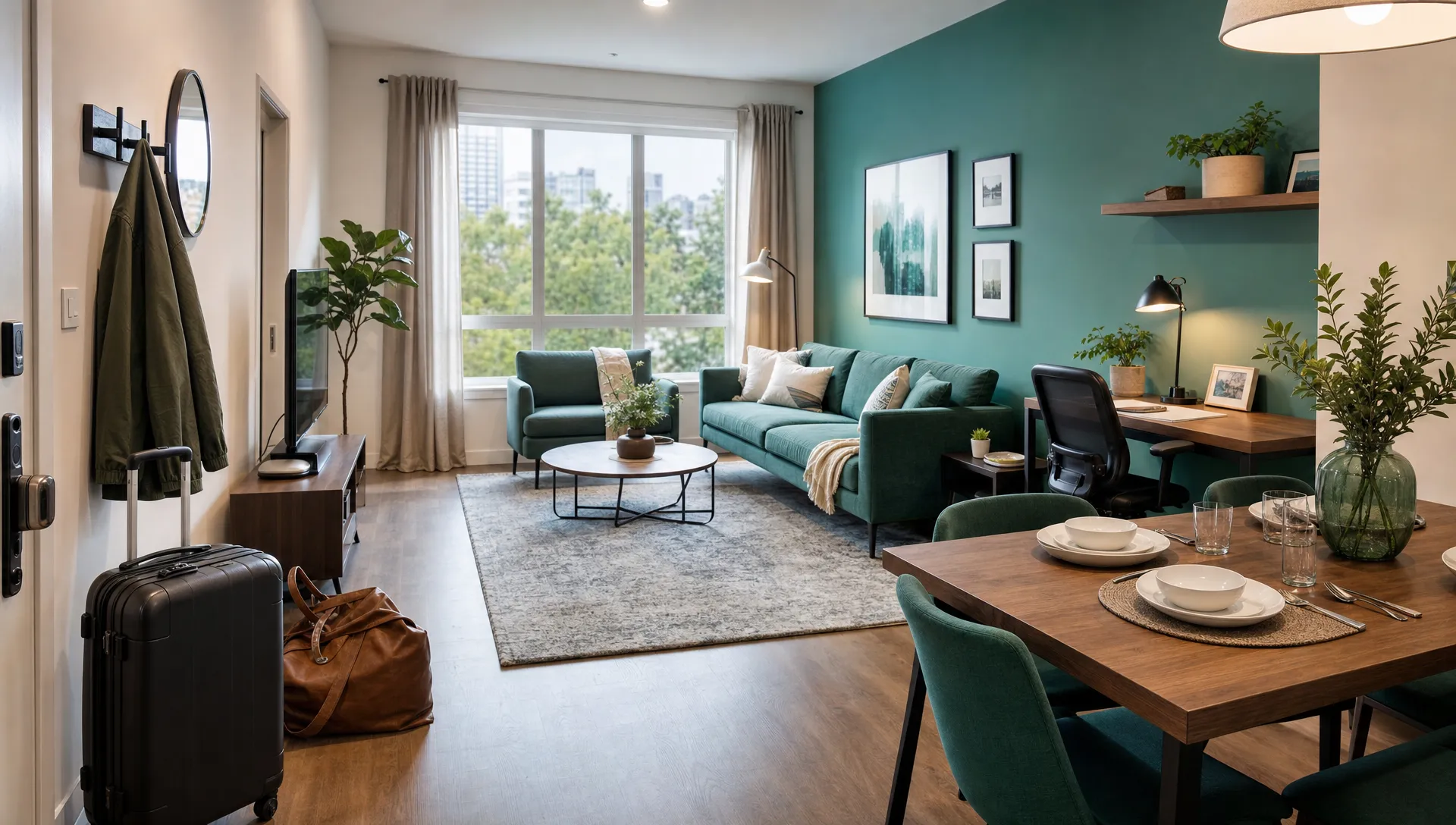
For Houston-area owners, this means a six-month furnished rental should be positioned as functional housing, not just a decorated short-term listing. The property needs to support daily life.
Operational Risk: The Quiet Difference
With airbnb for 6 months, risk management becomes more important than hospitality touches alone. A longer stay can reduce turnover risk, but it can also raise questions about deposits, access, maintenance responsibilities, tenant rights, insurance, local rules and what happens if the guest does not leave on schedule.
This is where owners should avoid treating a six-month booking like an extended vacation reservation. Longer occupancy may trigger different legal obligations depending on the property, jurisdiction and agreement structure. Local tax rules can also change when a stay crosses certain duration thresholds.
Good documentation matters. Owners should use clear house rules, inventory records, utility expectations, maintenance procedures and move-in condition reports. Many also benefit from professional management because the goal is not just to get a long reservation. The goal is to protect the asset while keeping the guest experience smooth.
Scott Property Management specializes in furnished rental properties and provides up to $50,000 in property damage protection as standard risk protection for managed properties. For owners who want mid-term rental income without handling every operational detail, that kind of structure can provide meaningful peace of mind.
When Short Stays Still Make Sense
If airbnb for 6 months offers more consistency, does that mean short stays are always the wrong choice? Not necessarily. Short stays can still work well for properties in highly seasonal locations, homes near major event districts or owners who are prepared for active hospitality operations.
Short stays may also suit owners who want personal use dates throughout the year. If you plan to use the property during holidays, family visits or peak travel weekends, shorter bookings preserve flexibility. A six-month stay limits that flexibility because the guest expects uninterrupted use of the property.
The question is whether the extra income potential justifies the extra management load. If short stays require constant attention, emergency cleaning coordination and frequent replacements, the owner’s time becomes part of the expense. To understand that side more deeply, it helps to review how property management for short-term rentals affects profit, especially if you are comparing gross revenue with actual owner distributions.
When a Six-Month Furnished Rental Is the Better Fit
A six-month strategy is often strongest when the owner values predictable income, lower turnover and reduced wear. That is why inherited homes, relocation properties and homes that are not ready to sell can be good candidates for airbnb for 6 months or a similar mid-term rental plan.
This model can also appeal to investors who want a middle ground between traditional leases and nightly rentals. A traditional 12-month lease may offer stability but lower furnished-rental upside. Short stays may offer upside but create more operational noise. A six-month furnished stay can sit between those options.
The fit is especially strong when the home is already furnished or can be furnished to a practical standard. Guests staying for months expect comfort, but they do not necessarily need luxury finishes. They need reliable basics: quality beds, fast internet, cookware, a clean laundry setup, working appliances and a home that is easy to maintain.
If you are comparing this model with other longer-stay approaches, Scott Property Management’s guide to long-term Airbnb vs. mid-term rentals for Houston owners can help clarify the strategic differences.
How to Price and Protect a Six-Month Stay
Price airbnb for 6 months by looking at the full occupancy period, not just the monthly rate. A lower monthly number can still outperform short stays if it reduces vacancy, cleaning costs, supply costs and management intensity.
Owners should build pricing around net operating expectations. Start with comparable furnished rentals, then account for utilities, lawn care, internet, wear, cleaning, platform fees, management fees and reserves. Do not forget that a longer stay may include more utility usage than a short stay, especially during Houston’s hot months.
A practical protection plan should include:
- A written occupancy agreement suited to the stay length and local requirements
- Guest screening that fits the risk profile of a months-long stay
- Clear utility terms, including any caps or overage process
- Move-in and move-out documentation with photos
- Maintenance response standards so small issues do not become expensive repairs
- A professional cleaning plan before arrival and after departure
The goal is to make the stay feel easy for the guest while keeping the owner’s exposure controlled. This is also where professional furnishing standards help. Durable furniture, washable materials and simple replacement items usually outperform delicate decor in a longer furnished stay.
Should You Put a Six-Month Furnished Stay on Airbnb?
For owners who use airbnb for 6 months, Airbnb should be viewed as one distribution channel, not the entire business model. The platform can help create visibility, but the investment strategy is broader than a listing page.
A strong mid-term rental plan considers guest sources beyond one marketplace. Corporate housing needs, relocation demand, insurance housing, medical travel and local owner referrals can all matter. The more diversified the demand, the less dependent the property becomes on one booking platform’s algorithm or policy changes.
Owners should also think about how a six-month stay affects future plans. If you may sell the home soon, make sure the occupancy timeline matches your listing goals. If you inherited a home and need time to decide what to do, a furnished mid-term rental can generate income while preserving optionality. If you plan to hold long term, longer furnished stays may create a cleaner operating rhythm than constant weekend bookings.
For a deeper look at how Scott Property Management approaches this model, visit the company’s page on mid-term rental management.
Decision Framework for Owners
The best choice is the one that matches your property, market and ownership goals. Short stays prioritize rate flexibility and hospitality revenue. Six-month furnished stays prioritize occupancy stability and lower operational friction.
| Owner goal | Better fit to consider | Why it may fit |
|---|---|---|
| Maximize peak nightly rates | Short stays | Best when demand is event-driven or seasonal |
| Reduce turnover | Six-month furnished stay | Fewer guest cycles and cleanings |
| Keep some owner-use flexibility | Short stays | Easier to block personal dates |
| Stabilize cash flow | Six-month furnished stay | Longer occupancy supports planning |
| Minimize hands-on work | Six-month furnished stay with management | Fewer moving parts than frequent checkouts |
| Prepare a home for eventual sale | Depends on timing | Shorter commitments may preserve listing flexibility |
If you are unsure, model both scenarios conservatively. Use realistic vacancy, not perfect occupancy. Include maintenance reserves, cleaning costs and your own time. A strategy that looks slightly lower on gross revenue may be stronger once the true cost of turnover is included.
Frequently Asked Questions
Is a six-month Airbnb stay considered a mid-term rental? In many owner discussions, yes. Mid-term rentals commonly refer to furnished stays of around 30 days to 12 months, though legal definitions and tax treatment vary by location.
Can a six-month furnished stay make more money than short stays? It can, especially after cleaning, vacancy, restocking, maintenance and management time are included. Short stays may produce higher gross revenue in some locations, but net income is the better comparison.
Do longer Airbnb stays create tenant-rights issues? They can, depending on local law, stay length and agreement structure. Owners should consult a qualified attorney or property manager before accepting longer furnished bookings.
What type of property works best for a six-month furnished rental? Homes with practical furnishings, reliable internet, laundry, parking and comfortable work or living space are often better suited than properties designed mainly for weekend guests.
Should I manage a six-month furnished stay myself? Some owners can, but longer stays still require screening, documentation, maintenance coordination and risk controls. Professional management can be valuable if you want less day-to-day involvement.
A More Predictable Path for Furnished Rental Owners
Short stays are not automatically better just because the nightly rate is higher. For many Houston property owners, landlords and investors, a six-month furnished rental can offer stronger consistency, fewer turnovers and less wear on the home.
Scott Property Management helps owners evaluate furnished rental strategies with a focus on predictable income and asset protection. If you want to explore whether your property is a good fit for mid-term rental management, Scott Property Management can help you compare the options and move forward with a plan that fits your goals.