
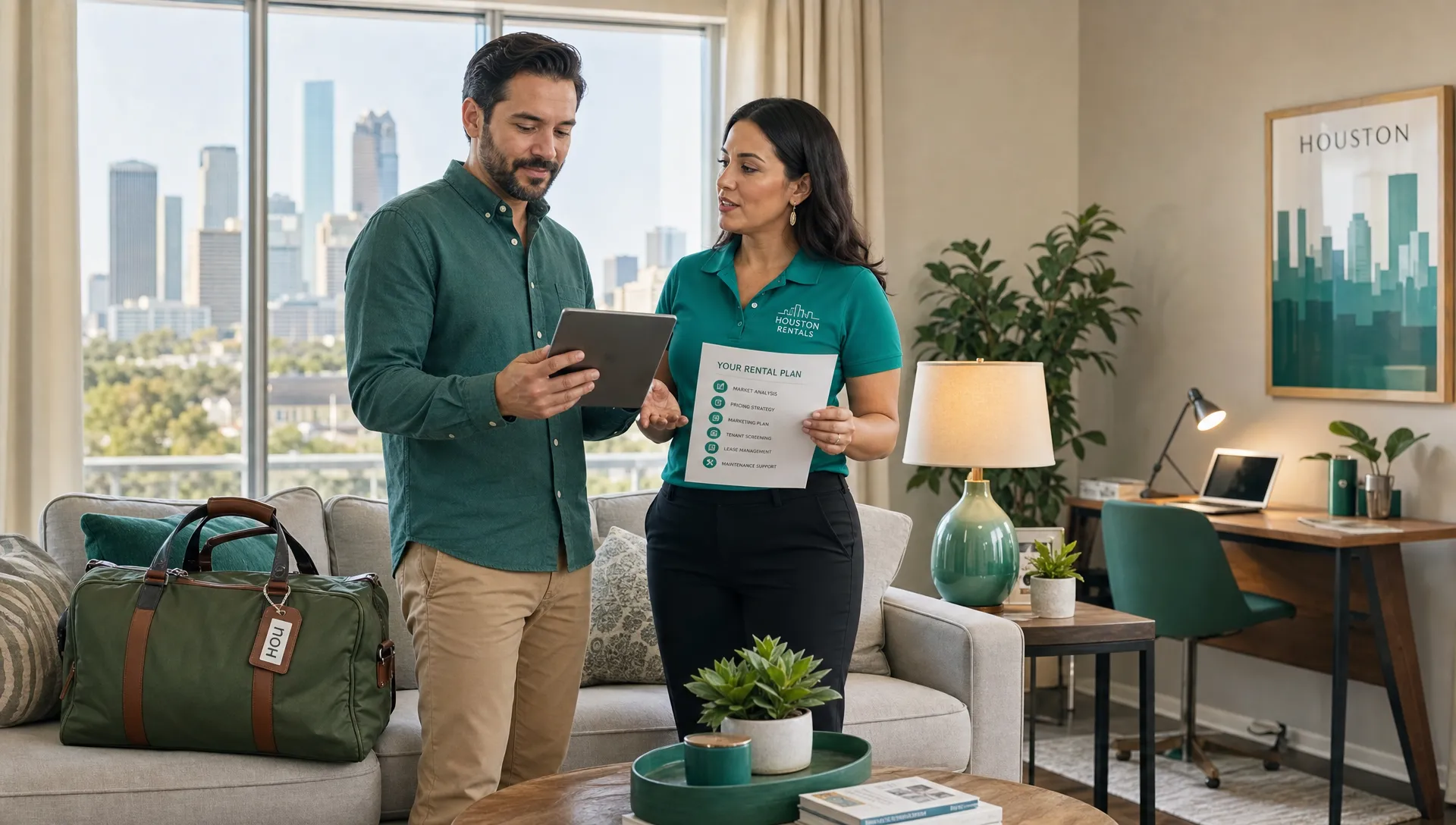
Long Term Airbnb vs. Mid-Term Rentals for Houston Owners
If you are comparing a long term airbnb with a mid-term rental, you are probably not asking a platform question as much as an income strategy question. Houston owners want strong returns, fewer headaches and a rental plan that protects the property over time. The right answer depends on your home, location, furnishings, risk tolerance and how involved you want to be in day-to-day operations.
For many furnished homes in Houston, mid-term rentals offer a practical middle ground. They can capture higher income than a traditional unfurnished lease while avoiding some of the constant turnover, cleaning coordination and weekend vacancy that can come with nightly stays. For owners of inherited homes, investment properties and homes they are not ready to sell, this model can be especially attractive.
What Houston owners mean by long term airbnb
A monthly Airbnb stay usually refers to a furnished booking of 28 nights or more through Airbnb. The guest may be relocating, working temporarily in Houston, receiving medical care nearby, waiting for a home purchase to close or staying while insurance repairs are completed. It feels more stable than nightly hosting because the calendar is filled for weeks or months at a time.
Mid-term rentals are broader. Instead of relying on one booking platform, a mid-term strategy positions the property for furnished stays that often last one to six months. Demand may come from travel nurses, corporate travelers, displaced families, consultants, interns, medical patients or families visiting the Texas Medical Center. A long term airbnb can be one source of bookings within that strategy, but it is not the entire strategy.
That distinction matters because a platform can change its fees, algorithms and guest flow. A rental strategy should be built around the local demand for furnished housing, the property’s operating costs and the owner’s target net income.
The Houston demand case for mid-term rentals
Houston is well suited for furnished mid-term housing because the city has multiple demand drivers that are not purely seasonal. Medical travel, energy sector assignments, project-based work, home renovations, relocations and insurance-related displacement all create a need for temporary housing that feels more like a home than a hotel.
A short vacation market often depends on events, weekends and pricing spikes. Houston certainly has event-driven demand around NRG Stadium, downtown, conventions and sports weekends, but many owners prefer not to build their entire rental plan around high-traffic weekends. A mid-term guest may stay through weekdays, slower seasons and gaps between events.
For an owner, this can make income easier to forecast. Instead of chasing frequent check-ins, reviews and cleaning windows, you are often managing fewer but longer guest relationships. A long term airbnb booking can provide similar calendar stability, but a professionally managed mid-term rental strategy may broaden your exposure beyond Airbnb alone.
Income comparison: gross revenue is not the same as net profit
Nightly rentals can produce impressive gross revenue when rates are high and occupancy is strong. That is why many owners initially gravitate toward Airbnb. The more important question is what remains after platform fees, cleaning, supplies, utilities, maintenance, vacancy, furnishing wear and management time.
Mid-term rentals often use lower nightly-equivalent rates than peak short-term stays, but they may offset that with fewer turnovers and less calendar fragmentation. One three-month booking can reduce the need for repeated cleanings, guest messaging, linen replacement and last-minute maintenance calls.
| Factor | Monthly Airbnb booking | Mid-term rental strategy |
|---|---|---|
| Typical stay length | 28 nights or more | About 30 days to several months |
| Booking source | Mostly Airbnb | Multiple channels, referrals and direct inquiries |
| Turnover frequency | Lower than nightly stays | Often lower than short-term rentals |
| Income pattern | Depends on platform demand | Built around local furnished housing demand |
| Owner workload | Varies by self-management level | Can be systemized with professional management |
| Best fit | Owners who want platform-based monthly stays | Owners who want predictable furnished rental performance |
If you are evaluating property performance, focus on net operating income rather than top-line revenue. Scott Property Management covers this difference in more detail in its guide to how short-term rental management affects profit, and the same principle applies when comparing furnished rental models.
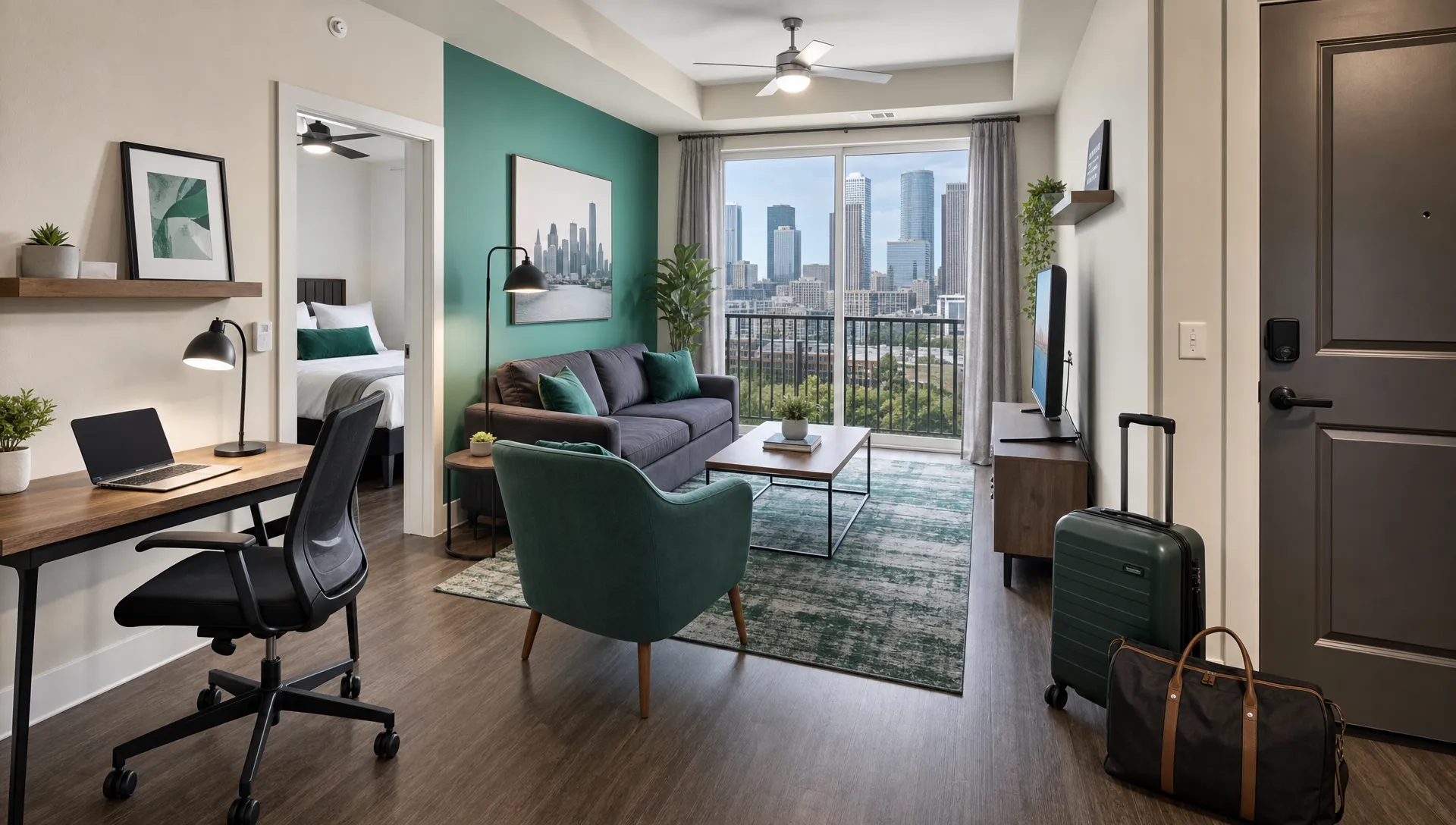
Operating workload: turnover, cleaning and maintenance
Operations are where many owners feel the difference most. A nightly rental can require frequent guest communication, cleanings after every stay, restocking supplies, review management and quick responses to small issues. That can work well with the right systems, but it is rarely passive.
Mid-term rentals tend to reduce repetitive operational tasks. You still need excellent cleaning before arrival, responsive maintenance and clear house rules, but the pace is different. Fewer move-ins and move-outs usually means fewer opportunities for accidental damage, lost items or missed cleaning details.
Operationally, a long term airbnb sits somewhere between short-term hosting and a traditional furnished lease. The stay may be longer, but the owner is still working inside a consumer booking platform with guest expectations shaped by hospitality. Mid-term rental management brings more structure to the process, especially when screening, documentation and maintenance workflows are handled consistently.
For furnished homes, maintenance is not just about fixing what breaks. It protects the furniture package, appliances, HVAC system and long-term value of the asset. Preventive inspections and fast repairs can keep a small issue from becoming an expensive loss, which is why rental owners often benefit from a proactive approach to property maintenance services.
Risk and property protection
Every rental model has risk. Short-term rentals may face higher guest volume. Traditional long-term leases may create challenges if the wrong tenant stays for a year or more. Mid-term rentals reduce some forms of turnover risk, but owners still need a plan for screening, deposits, insurance, house rules and damage response.
A furnished home also carries a different risk profile than an unfurnished rental. Sofas, mattresses, dining sets, TVs, cookware and decor all need to be protected and periodically refreshed. If the property is positioned for professionals, families in transition or medical-related stays, the furnishing package should be durable, comfortable and easy to maintain.
One advantage of working with a company focused on furnished rentals is that risk management is part of the operating model. Scott Property Management provides up to $50,000 in property damage protection as standard risk protection, which can give owners added peace of mind when opening a home to furnished guests.
A long term airbnb can feel safer than short nightly bookings because one guest occupies the home longer. Still, the owner should not rely on length of stay alone. Clear expectations, the right rental agreement or booking terms, documentation and responsive property oversight all matter.
Which Houston properties are best suited for mid-term rentals?
Not every property should be operated the same way. A downtown condo, a townhome near the Medical Center, a family home in Spring and an inherited house in a quiet neighborhood may all need different strategies.
Mid-term rentals often work best when the property offers practical comfort rather than only vacation appeal. Guests staying for weeks or months need reliable Wi-Fi, parking, laundry, a functional kitchen, comfortable beds and enough storage. A dedicated workspace can also be a major advantage for corporate travelers and remote workers.
Location matters, but it does not have to mean being in the most tourist-heavy area. Proximity to hospitals, business districts, major highways, schools, renovation-heavy neighborhoods and relocation corridors can all support demand. A long term airbnb may attract a guest through platform search, but a mid-term rental plan should consider who needs housing nearby and why.
Owners should also consider whether the home is easy to maintain. Durable flooring, simple landscaping, practical furniture and responsive access for repairs can improve returns over time. A beautiful property that is fragile or difficult to service may underperform once real operating costs are included.
Decision framework for Houston owners
The right model depends on your goals. If your top priority is maximum nightly upside and you are comfortable with frequent turnover, a short-term strategy may be worth evaluating. If you want a furnished model with less churn and steadier occupancy, mid-term rentals may be the better fit.
A long term airbnb may make sense if you strongly prefer Airbnb as the booking channel and want to capture monthly guests through an established marketplace. The limitation is that you may still be dependent on that platform for demand, guest communication standards and search visibility.
A mid-term rental strategy may be stronger if you want to diversify booking sources and appeal to a wider range of temporary housing needs. It is especially useful for owners who want furnished rental income without managing hotel-style operations week after week.
Use this quick guide as a starting point:
| Owner situation | Often better fit | Why |
|---|---|---|
| You want fewer turnovers | Mid-term rental | Longer stays reduce cleaning cycles and check-ins |
| You want to rely mainly on Airbnb | Monthly Airbnb stays | The platform can bring built-in guest traffic |
| You own a furnished home near medical or business demand | Mid-term rental | Local temporary housing demand can support steady occupancy |
| You enjoy active hospitality management | Short-term or monthly Airbnb | You may be comfortable with frequent guest service |
| You inherited a home and are not ready to sell | Mid-term rental | Furnished stays may generate income while preserving flexibility |
How professional management changes the equation
Self-management can work, but owners should be realistic about the time involved. Pricing, guest communication, maintenance, cleaning coordination, furnishing replacement, listing updates and compliance all affect results. A furnished rental that looks simple from the outside can become demanding when multiple small tasks pile up.
Professional management can help owners choose the right rental model before investing in furniture, photography or listing setup. It can also help determine whether a home is better suited for monthly platform bookings, a broader mid-term rental strategy or another path altogether.
Scott Property Management specializes in furnished rental properties in the Houston area, with a focus on helping owners pursue more predictable income and less wear and tear through mid-term stays. If you want a deeper look at the model, the company’s guide to mid-term rental management explains how this approach works for furnished property owners.
Frequently Asked Questions
Is a long term airbnb the same as a mid-term rental? Not exactly. A long term airbnb usually means a monthly furnished stay booked through Airbnb. A mid-term rental is a broader strategy for furnished stays of about 30 days to several months, often using multiple booking sources and a more structured management process.
Are mid-term rentals better than short-term rentals in Houston? They can be better for owners who value consistency, fewer turnovers and reduced operational intensity. Short-term rentals may still produce higher revenue during peak periods, but mid-term rentals often create a steadier income profile after expenses.
Who rents mid-term furnished homes in Houston? Common renter groups include travel nurses, medical patients and families, corporate travelers, relocating employees, project workers, students, interns and homeowners displaced by repairs or insurance claims.
Do mid-term rentals require full furnishings? Yes, most mid-term guests expect a move-in-ready home with furniture, kitchen essentials, linens, utilities, Wi-Fi and laundry access. The goal is to make the property comfortable for everyday living, not just a weekend visit.
Can I switch from Airbnb to mid-term rentals? In many cases, yes. The property may need new pricing, listing language, guest screening processes and a different marketing approach. A long term airbnb listing can be a starting point, but the best results often come from treating mid-term rentals as a full operating strategy.
A steadier furnished rental strategy for Houston owners
For Houston property owners, the choice is not simply Airbnb or no Airbnb. The better question is which rental model supports your income goals, protects the property and fits the amount of involvement you want. Monthly platform bookings can be useful, but mid-term rentals often give owners a more balanced path between high nightly rates and traditional leasing.
If you own a furnished home, inherited property or investment property in Houston, Scott Property Management can help you evaluate whether mid-term rental management is the right fit. With a professional process and up to $50,000 in property damage protection included as standard risk protection, you can pursue strong rental income with more confidence and less day-to-day stress.