
How to Compare a Rental Property Management Company's Reporting
When you hire a rental property management company, the monthly report is more than a receipt. It is how you know whether your furnished rental is becoming a steadier investment or quietly losing money through vacancy, maintenance surprises, weak pricing or preventable turnover. This is especially true for mid-term rentals, where owners often trade the highest nightly rate for stronger consistency, fewer cleanings and less operational friction. Good reporting should help you see that tradeoff clearly. It should connect income, occupancy, expenses and property condition in a way that supports decisions, not just recordkeeping. If you are comparing managers, ask to see how they report before you sign. The format, timing and level of explanation will tell you a lot about how they will communicate once your home is under their care.
What a rental property management company report should show
A useful report starts with the basics: money in, money out and what happened at the property during the reporting period. But basics alone are not enough for furnished mid-term rentals. Owners need to understand whether a stay improved the asset's performance, protected the home's condition and supported predictable cash flow.
For example, a report that only says rent collected and maintenance deducted leaves too much unexplained. A stronger report separates rent, fees, cleaning charges, repairs, supplies, utilities if applicable and management fees. It should also show when funds were received, when owner disbursements were made and whether any balance is being held for pending expenses.
The core reporting categories to compare
A rental property management company should make it easy to review both financial performance and operational performance. If the reporting package only focuses on gross rent, you may miss the hidden factors that shape net income.
| Reporting area | What to look for | Why it matters for mid-term rentals |
|---|---|---|
| Income summary | Rent collected, fees, reimbursements and owner payout | Shows whether advertised income becomes usable cash flow |
| Occupancy and booking activity | Occupied nights, vacancy gaps, upcoming stays and inquiry quality | Helps measure consistency between residents |
| Expense detail | Cleaning, maintenance, supplies, utilities and management fees | Shows the real cost of operating a furnished rental |
| Maintenance notes | Work completed, open items, vendor costs and urgency level | Protects the home and prevents small issues from growing |
| Resident and stay updates | Move-in status, move-out condition and communication highlights | Adds context beyond the ledger |
| Risk and claims documentation | Damage notes, photos if available and deposit or protection status | Helps owners understand exposure and recovery steps |
The best reports are not cluttered. They are structured enough that you can understand performance quickly, then drill into the details when something needs attention.
Separate gross income from owner-ready net income
Gross rent can make a property look stronger than it is. Net income tells the owner what the property actually produced after the cost of operating it. When you compare reporting samples, look for a clear path from top-line income to the final owner disbursement.
For furnished mid-term rentals, this matters because the expense profile is different from a traditional unfurnished lease. Cleaning, linen replacement, furniture care, utility handling, consumables and periodic restocking may all affect results. A manager does not need to bury you in tiny details, but the report should show enough expense categorization to reveal patterns.
If you are also comparing pricing between managers, connect reporting quality to fee structure. A lower rate may not be the better value if the reporting hides important work or forces you to chase answers. Scott Property Management has a helpful overview of how rates vary by service level, which is useful context when weighing cost against communication, protection and operational support.
Questions to ask about financial reporting
Before hiring a manager, ask how often reports are sent, whether owner statements are available on a set schedule and how unusual expenses are explained. A clean sample statement should answer these questions without a long phone call.
You can also ask whether the manager distinguishes between recurring operating expenses and one-time capital or repair items. Replacing a coffee maker is not the same as repairing an HVAC system. If both are simply grouped under maintenance, you lose the ability to understand what is normal and what needs a larger plan.
Reporting should explain occupancy, not just rent collected
Mid-term rentals depend on rhythm. A single strong booking is helpful, but predictable returns come from reducing vacancy between qualified residents. That means reporting should show what is happening before, during and after each stay.
A strong owner update may include current occupancy, upcoming booking windows, lead sources, pending inquiries and any pricing adjustments being considered. This does not mean you need a daily dashboard. It means your manager should have a consistent way to show whether the property is moving toward stable income.
A rental property management company that specializes in furnished rentals should also be able to discuss the difference between a vacant night and a strategic gap. Sometimes a short gap allows for deep cleaning, maintenance or a better incoming resident. Other times, it signals a pricing or marketing issue. The report should help you tell the difference.
This is where communication workflows matter. If you want a deeper look at the owner communication side, this guide on rental management workflows that keep owners informed explains how structured updates can reduce uncertainty throughout the rental cycle.
Look for context around maintenance and property condition
Maintenance reporting is one of the clearest signs of whether a manager is protecting your asset or only reacting to emergencies. For furnished mid-term rentals, the home itself is part of the product. Furniture, appliances, linens, fixtures and curb appeal all influence resident satisfaction and future bookings.
The report should identify completed repairs, pending repairs, vendor invoices and any recurring issues. It should also explain whether an item was routine, urgent or preventive. A clogged drain, damaged chair and aging water heater should not be treated as identical maintenance line items.
Good maintenance reporting gives owners the confidence that decisions are being made with both guest experience and long-term property value in mind. It also helps you plan reserves. If you see small appliance replacements, furniture wear or seasonal HVAC costs recurring, you can budget instead of being surprised.
Compare how bad news is reported
Every rental has occasional issues. The real test is how the manager communicates when something goes wrong. A report that only highlights wins may feel pleasant in the moment, but it does not help you manage risk.
Look for honest notes about damage, delayed payments, resident concerns, pricing changes, booking gaps and maintenance problems. The tone should be calm and solution-oriented. You do not need drama, but you do need the facts and the recommended next step.
A rental property management company builds trust by interpreting the numbers, not by hiding inconvenient details. This principle applies across service businesses. Archer Scaling AI's breakdown of reporting mistakes that hurt client trust makes a useful point for property owners too: reports should support decisions, define metrics consistently and avoid vague narratives.
For a furnished rental owner, that means a manager should not simply say occupancy was slower this month. The better explanation is what happened, what changed in the market or property presentation and what action is being taken next.
Check consistency from month to month
A polished sample report is helpful, but consistency matters more. Ask whether the same categories, definitions and timing are used each month. If every report looks different, it becomes harder to compare performance over time.
Consistent reporting lets you spot trends such as rising supply costs, seasonal booking shifts, recurring maintenance issues and changes in net income. It also makes tax preparation easier because expenses are categorized more cleanly throughout the year.
When you compare a rental property management company, ask for a sample owner statement and a sample operational update. The statement shows the money. The operational update shows what happened around that money. Together, they give you a clearer view of the property's health.
A simple reporting scorecard for owners
Use this quick scorecard when reviewing sample reports from different managers. It can help you compare more than design or formatting.
| Question | Strong reporting signal | Weak reporting signal |
|---|---|---|
| Can I see net income clearly? | Income and expenses lead to a clear owner payout | Gross rent is prominent, but deductions are vague |
| Do I understand occupancy? | The report shows current, past and upcoming activity | It only shows rent after the fact |
| Are repairs explained? | Maintenance includes status, cost and reason | Repairs appear as unexplained charges |
| Is bad news addressed? | Issues are noted with next steps | Problems are minimized or missing |
| Are terms consistent? | Metrics mean the same thing each month | Categories change without explanation |
| Can I make decisions from it? | The report points to action when needed | It is mostly a transaction log |
You do not need the most complex report. You need a report that helps you make better ownership decisions.
Ask how reporting supports predictable cash flow
For many owners, the goal of mid-term rental management is not just to earn strong income. It is to make that income more predictable. Compared with high-turnover short stays, furnished mid-term rentals can reduce cleaning frequency, vacancy friction and wear from constant guest changes. Reporting should help you verify whether that strategy is working.
A manager should be able to show how occupancy, resident quality, turnover costs and maintenance decisions influence cash flow. If you are deciding whether to self-manage or hire help, Scott Property Management's article on how property rentals can deliver more predictable cash flow offers helpful context for evaluating performance beyond nightly rate.
A rental property management company that understands mid-term rentals should also report on risk protection in plain language. For example, Scott Property Management provides up to $50,000 in property damage protection as standard risk protection. When comparing companies, ask how damage protection, resident screening and move-out documentation appear in owner updates so you know how risk is handled in practice.
Red flags in a management company's reporting
Reporting problems often show up before operational problems become obvious. If a manager struggles to explain performance clearly during the sales process, that may continue after the agreement is signed.
Watch for vague sample statements, inconsistent categories, late reports, missing expense detail or explanations that rely only on activity. Activity is not the same as performance. You want to know what the activity produced and what it means for your investment.
Be cautious if the manager cannot explain how they define occupancy, owner payout, maintenance reserves or booking status. The issue is not that every company must use identical software. The issue is whether the manager can define the numbers and stand behind them.
Finally, pay attention to how they respond to your questions. A professional manager should welcome thoughtful owner questions. If the response feels defensive or rushed, that may be a sign that communication will become harder later.
Frequently Asked Questions
How often should I receive reports from a property manager? Most owners should expect regular monthly financial reporting, along with timely updates when a major booking, maintenance issue or resident concern affects the property. The exact cadence can vary, but it should be clear before you sign.
What should a mid-term rental owner statement include? It should include rent collected, itemized expenses, management fees, maintenance costs, owner disbursement, outstanding balances and enough notes to explain unusual activity. For furnished rentals, cleaning, supplies and property condition updates are also important.
Should a rental property management company provide occupancy reporting? Yes. Occupancy reporting helps you see whether the property is producing consistent income or depending on occasional strong bookings. It should include past performance and upcoming reservations when available.
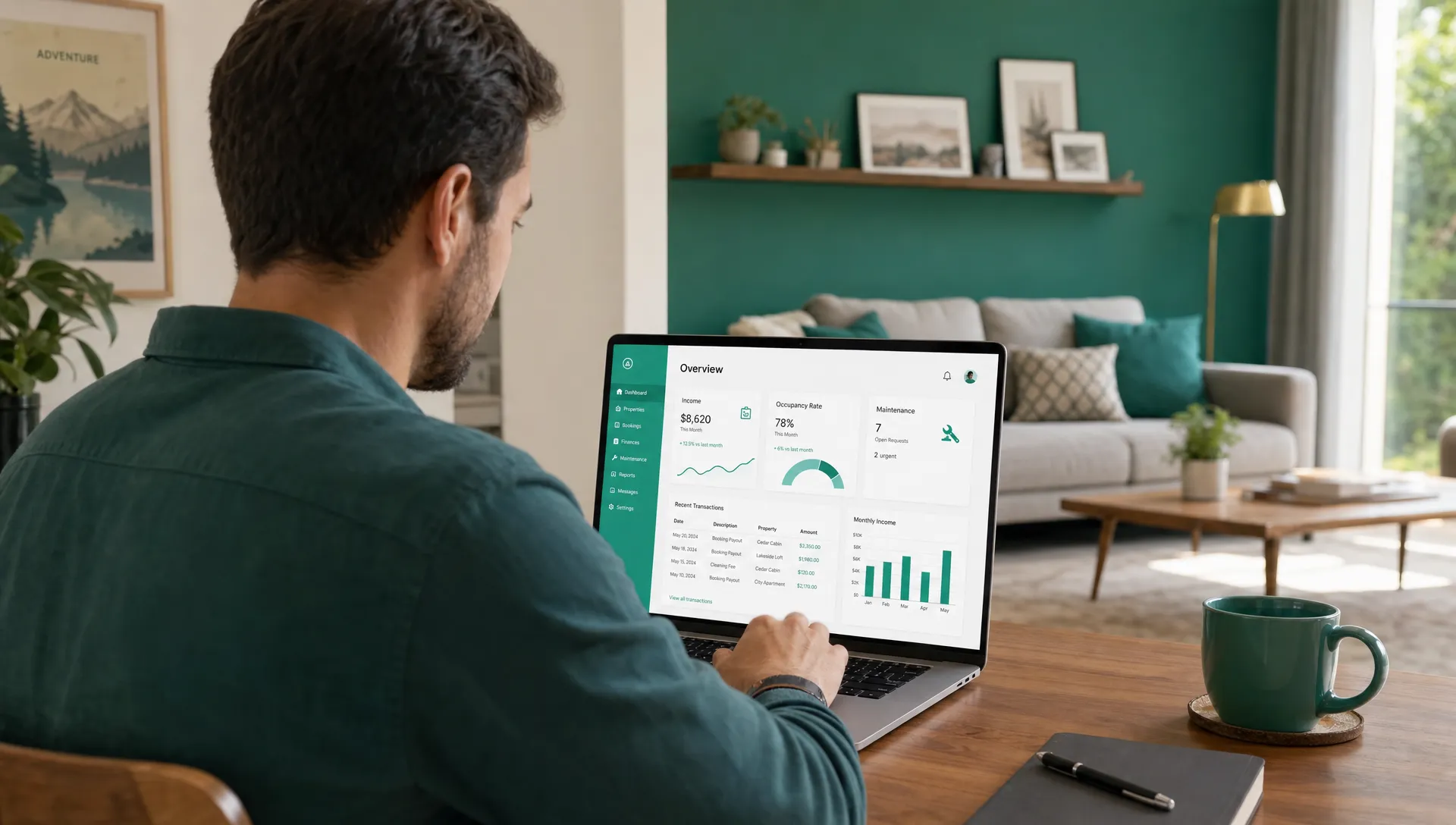
Is a dashboard enough for owner reporting? A dashboard can be useful, but it should not replace interpretation. Owners need context around the numbers, especially when vacancy, repairs or resident issues affect income.
What is the biggest reporting mistake owners should watch for? The biggest mistake is focusing only on gross rent. Net income, vacancy, maintenance, resident quality and risk protection all shape the actual return on a furnished mid-term rental.
Make reporting part of your management decision
Choosing a manager is not only about fees, photos or promised rent. It is about whether you will have clear information when decisions need to be made. The right reporting helps you protect the property, understand cash flow and feel confident that your furnished rental is being managed with discipline.
If you own a furnished home in the Houston area and want a professional, friendly approach to mid-term rental management, Scott Property Management can help you evaluate what strong reporting, risk protection and day-to-day oversight should look like for your property.