Home Management Essentials for Owners Living Out of Town
Good home management becomes more important, not less, when you own a property from another city. You are not nearby to check a leak, meet a vendor, reset a lockbox or notice when small issues are becoming expensive ones. For real estate investors, landlords, inherited-home owners and sellers waiting for the right market timing, the goal is the same: keep the property protected, productive and easy to own from a distance.
For many Houston owners, furnished mid-term rentals can make that goal more realistic. Instead of chasing nightly bookings or committing to a traditional year-long lease, a mid-term strategy can create longer stays, fewer turnovers and a more consistent operating rhythm. That matters when you are managing decisions from out of town and need dependable systems, not constant surprises.
Home management essentials for out-of-town owners
Remote ownership changes the job. A local owner can stop by after work, meet a plumber in person or check whether the lawn crew actually came. An out-of-town owner needs a home management structure that replaces personal presence with clear processes, reliable vendors and documented decisions.
The most successful owners treat the property like an operating asset. That does not mean making it complicated. It means defining who handles each task, how quickly issues should be addressed and what information you need to make good decisions from wherever you live.
| Area of responsibility | Out-of-town risk | Practical system to use |
|---|---|---|
| Access and keys | Lockouts, unsecured copies, delayed vendor entry | Smart lock, backup access plan and documented code changes |
| Maintenance | Small issues become major repairs | Preventive schedule, photo documentation and trusted local vendors |
| Furnishings | Missing items, guest frustration, higher replacement costs | Inventory list, durable furnishings and turnover checks |
| Communication | Missed messages, unclear expectations | Centralized inbox, written house rules and response standards |
| Financial tracking | Income looks strong but net profit is unclear | Monthly review of rent, utilities, repairs and cleaning costs |
A strong system also protects your time. If every decision requires a text thread, a favor from a neighbor and three follow-up calls, remote ownership starts to feel like a second job. The right structure turns recurring tasks into repeatable routines.
Why mid-term rentals often fit remote ownership better
A mid-term rental typically serves guests who need furnished housing for a month or longer. In Houston, that can include relocating professionals, medical workers, corporate travelers, insurance-related housing needs, families between homes and people completing temporary work assignments.
For remote owners, home management is often easier with longer furnished stays than with high-volume short-term bookings. You still have to maintain the property well, but you usually deal with fewer check-ins, fewer cleanings and fewer chances for wear from back-to-back weekend stays.
| Rental strategy | Common ownership appeal | Remote ownership challenge |
|---|---|---|
| Short-term rental | Higher nightly rates and flexible calendar control | Frequent turnover, guest messaging, cleaning coordination and local response needs |
| Mid-term rental | Furnished stays with more predictable occupancy windows | Requires quality furnishings, clear lease terms and strong maintenance follow-up |
| Traditional long-term rental | Lower turnover and stable tenancy | Less owner flexibility and often lower furnished-rental income potential |
This is why many investors compare a long term Airbnb approach with a furnished mid-term model before choosing a plan. If you are weighing those options, Scott Property Management has a useful breakdown of long term Airbnb versus mid-term rentals for Houston owners.
Set the property up for reliable mid-term stays
Mid-term guests expect a home that works on day one. They may be moving for work, recovering from a property loss or settling into Houston before buying. They do not want to spend the first week figuring out missing kitchen basics, unreliable internet or vague parking instructions.
Good home management starts before the first booking. The property should be easy to live in, easy to maintain and easy to troubleshoot from a distance. That usually means choosing durable items, documenting the condition of the home and simplifying anything that could create repeated questions.
Furnishings and inventory
Furnished rentals need enough comfort to feel move-in ready, but not so many fragile or personal items that every stay becomes risky. Owners should focus on durable mattresses, practical seating, washable linens, a complete kitchen setup and work-friendly details such as strong Wi-Fi and a desk or table.
An inventory list helps you avoid confusion later. It does not need to be fancy. A room-by-room record with photos can show what was provided, what condition it was in and what needs replacement after normal wear.
Access, utilities and house instructions
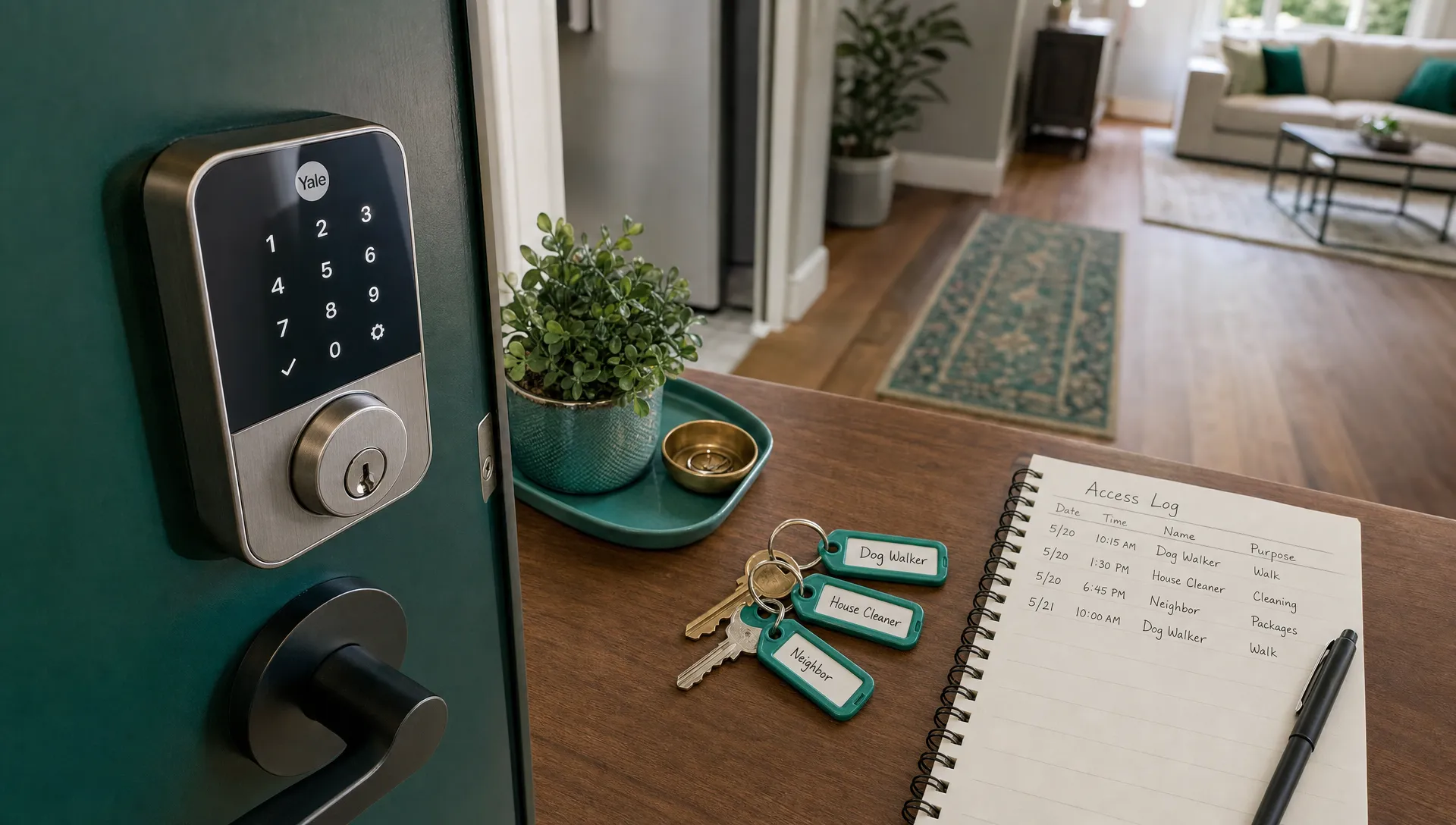
Remote owners should remove as much friction as possible from arrival and departure. Smart locks, clear parking guidance, labeled breakers, appliance instructions and a simple house manual can prevent many late-night calls.
Utilities also deserve attention. Mid-term renters often expect electricity, water, internet and basic services to be ready when they arrive. If the home has lawn care, pest control, pool service or trash rules, those details should be documented before move-in.
Maintenance planning that protects income
A remote home management plan should be built around prevention. Waiting until a guest reports a problem is usually more expensive than catching issues early, especially in a furnished rental where downtime can affect the next stay.
For Houston properties, pay close attention to HVAC performance, humidity control, plumbing, roof condition, pest prevention and drainage. Heat and moisture can turn small maintenance gaps into costly repairs. Storm season adds another reason to inspect exterior items before problems appear. The National Oceanic and Atmospheric Administration offers practical hurricane preparedness guidance that owners can use as a seasonal reminder.
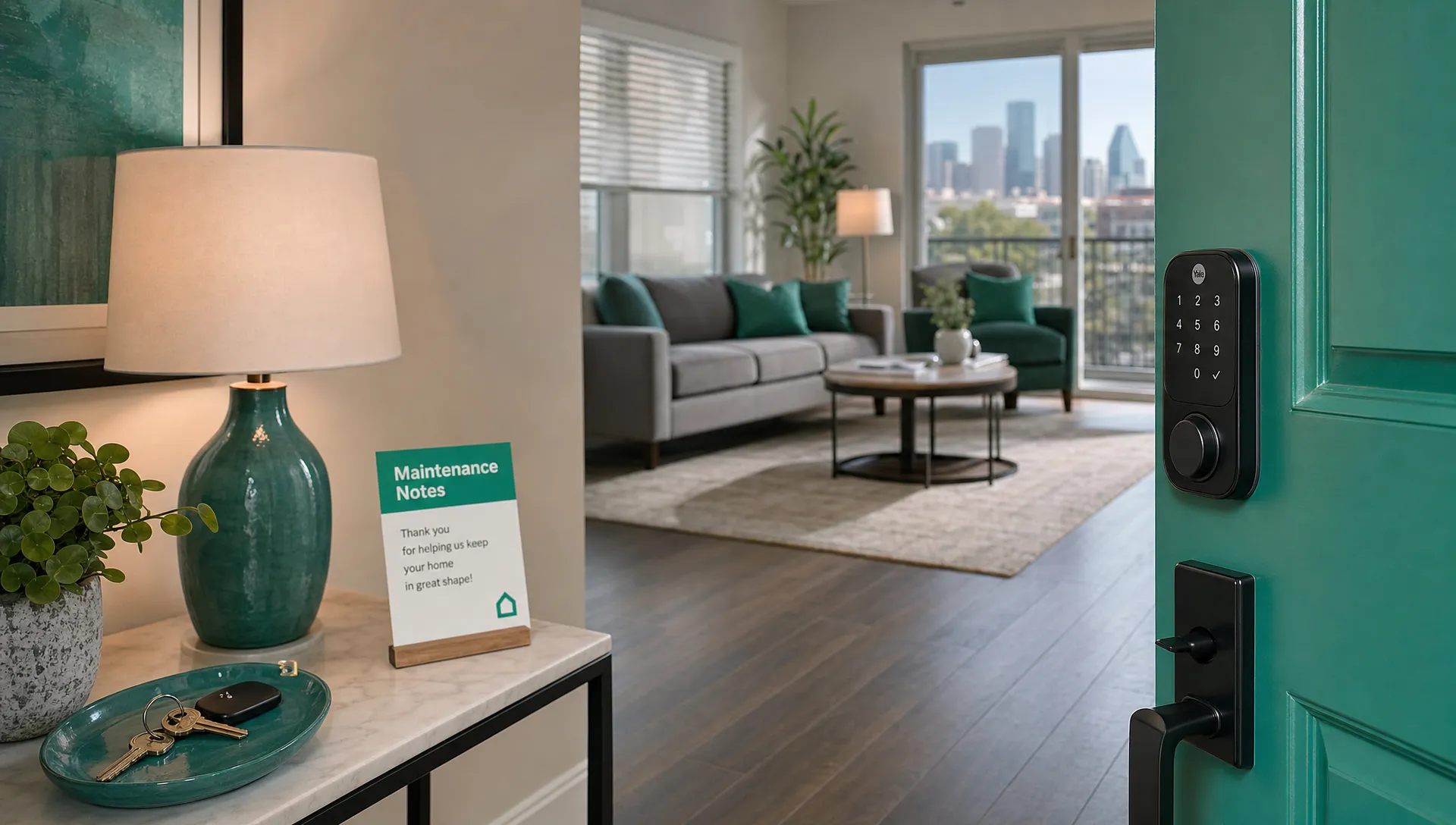
Preventive maintenance is not just about protecting the structure. It also supports better guest experiences, fewer refund requests and smoother renewals. Scott Property Management explains this in more detail in its article on how property maintenance services prevent expensive rental damage.
Guest, tenant and vendor coordination from a distance
Mid-term rentals sit between hospitality and traditional leasing. Guests often stay long enough to notice every detail, but they still expect a furnished, ready-to-use experience. For mid-term rentals, home management depends on setting expectations clearly and responding consistently.
Written terms matter. Owners should define the stay length, payment schedule, deposit or protection structure, utilities, pet rules, parking, smoking policy, guest limits and maintenance access. If you accept applications or screen occupants, apply criteria consistently and stay mindful of fair housing requirements. The U.S. Department of Housing and Urban Development provides an overview of the Fair Housing Act that owners can review.
Vendor coordination is just as important. A plumber, cleaner or handyman should know how to access the property, who approves work and how to document the job. Photo records before and after service help you confirm completion without being there in person.
Communication standards reduce stress
Remote ownership becomes harder when communication is scattered across texts, emails and phone calls. A cleaner says one thing, a guest says another and the owner is left reconstructing the facts from another city.
Create standards for response times, emergency handling and routine requests. A true emergency, such as active water intrusion or an electrical hazard, needs immediate action. A broken lamp or missing kitchen item can usually follow a normal service process. Clear categories prevent panic and keep the home running professionally.
Financial controls every remote owner should have
Strong home management includes financial visibility. A property can look successful because it stays occupied, but net income depends on cleaning, maintenance, utilities, replacement items, platform fees, insurance, taxes and vacancy between stays.
Track income and expenses monthly instead of waiting until tax season. Owners should also keep a reserve for repairs, appliance replacement and storm-related needs. Furnished rentals contain more owner-provided assets than unfurnished rentals, so replacement planning is part of the business model.
| Financial item | Why it matters for remote owners |
|---|---|
| Gross rental income | Shows top-line performance, but not profitability by itself |
| Utility costs | Can rise during hot Houston months or longer guest stays |
| Cleaning and turnover | Helps compare short-term and mid-term operating costs |
| Maintenance and repairs | Reveals whether preventive work is reducing emergencies |
| Furnishing replacement | Keeps the home competitive without surprise spending |
| Vacancy between stays | Measures how smoothly bookings are being coordinated |
For tax treatment, owners should work with a CPA or qualified tax professional. The IRS also publishes general information on rental income and expenses, which can help you understand the types of records you may need to maintain.
When a local manager becomes worth it
At some point, the question is not whether you can handle the property yourself. It is whether self-management still protects your time, income and peace of mind. Home management from another city may be manageable with one low-maintenance long-term tenant, but furnished mid-term rentals require local readiness.
A local manager can be especially helpful when you do not have trusted vendors, cannot inspect the property between stays, dislike guest communication or need help turning a furnished home into a more predictable rental asset. Professional oversight can also reduce the emotional burden for inherited-home owners who are not ready to sell but do not want the property sitting vacant.
If you are deciding whether professional help makes financial sense, this guide on when property management for rental property owners pays off walks through the tradeoffs. Scott Property Management specializes in furnished rental properties and focuses on mid-term rentals as a way to balance strong income with fewer turnovers. The company also provides up to $50,000 in property damage protection as standard risk protection, giving owners another layer of confidence.
Out-of-town owner checklist
Use this checklist to evaluate whether your rental is ready to operate without your daily involvement:
- Confirm the home has secure access, backup access and a process for changing codes.
- Create a room-by-room furnishing inventory with photos.
- Set a preventive maintenance calendar for HVAC, plumbing, appliances, exterior areas and pest control.
- Keep written rules for parking, pets, smoking, utilities, trash and maintenance access.
- Build a vendor list before you need emergency help.
- Track income, expenses, vacancy and replacement costs each month.
- Keep a repair reserve that reflects the age and condition of the home.
- Review insurance, lease terms and local requirements with qualified professionals.
- Decide who will inspect the property between stays.
- Choose a rental strategy that fits your time, risk tolerance and income goals.
This does not have to be overwhelming. The point is to stop relying on memory and reaction. Once the repeatable pieces are in place, remote ownership becomes far more manageable.
Frequently Asked Questions
Is a mid-term rental easier to manage from out of town than a short-term rental? Often, yes. Mid-term rentals usually involve longer stays, fewer turnovers and less frequent guest coordination than nightly rentals, which can make them a better fit for owners who do not live nearby.
What is the most important part of home management for remote owners? The most important part is having reliable local systems for access, maintenance, inspections and communication. Without those systems, small problems can take too long to discover or resolve.
Should I furnish my out-of-town rental before choosing a management plan? It is better to choose the strategy first. A mid-term rental needs practical, durable furnishings and move-in-ready essentials, while a traditional long-term rental may not need furnishings at all.
How often should an out-of-town owner inspect a furnished rental? At minimum, the property should be checked between stays. Seasonal inspections are also useful for HVAC, plumbing, roof, drainage and exterior condition, especially in Houston’s heat and storm season.
When should I hire a property manager? Consider hiring a local manager if the property requires frequent coordination, you do not have trusted vendors or you want to earn furnished-rental income without personally handling every guest, maintenance and turnover issue.
Make remote ownership feel more predictable
Owning a property from another city can work well when the home has the right rental strategy and the right local support. For many Houston owners, furnished mid-term rentals offer a practical middle ground: stronger income potential than a traditional lease in many cases, with fewer operational demands than high-turnover short-term stays.
If you are evaluating an out-of-town property, inherited home or furnished rental opportunity, Scott Property Management can help you think through the next step. Start by learning more about mid-term rental management and whether this model fits your goals as an owner.