
How a Property Rental Company Can Help Set Pet Policies
A property rental company can help you welcome pets without leaving the rules to guesswork. For furnished mid-term rentals, a useful pet policy does more than say whether animals are allowed. It explains approval requirements, financial responsibilities, housekeeping expectations and how concerns will be handled throughout the stay.
That clarity matters when someone books your home for a month or several months. A relocating household may need accommodation for its dog, while you need to protect upholstered furniture, flooring and relationships with neighbors. The goal is a workable agreement that supports rental demand without creating avoidable risk.
Start with the property, not a blanket yes or no
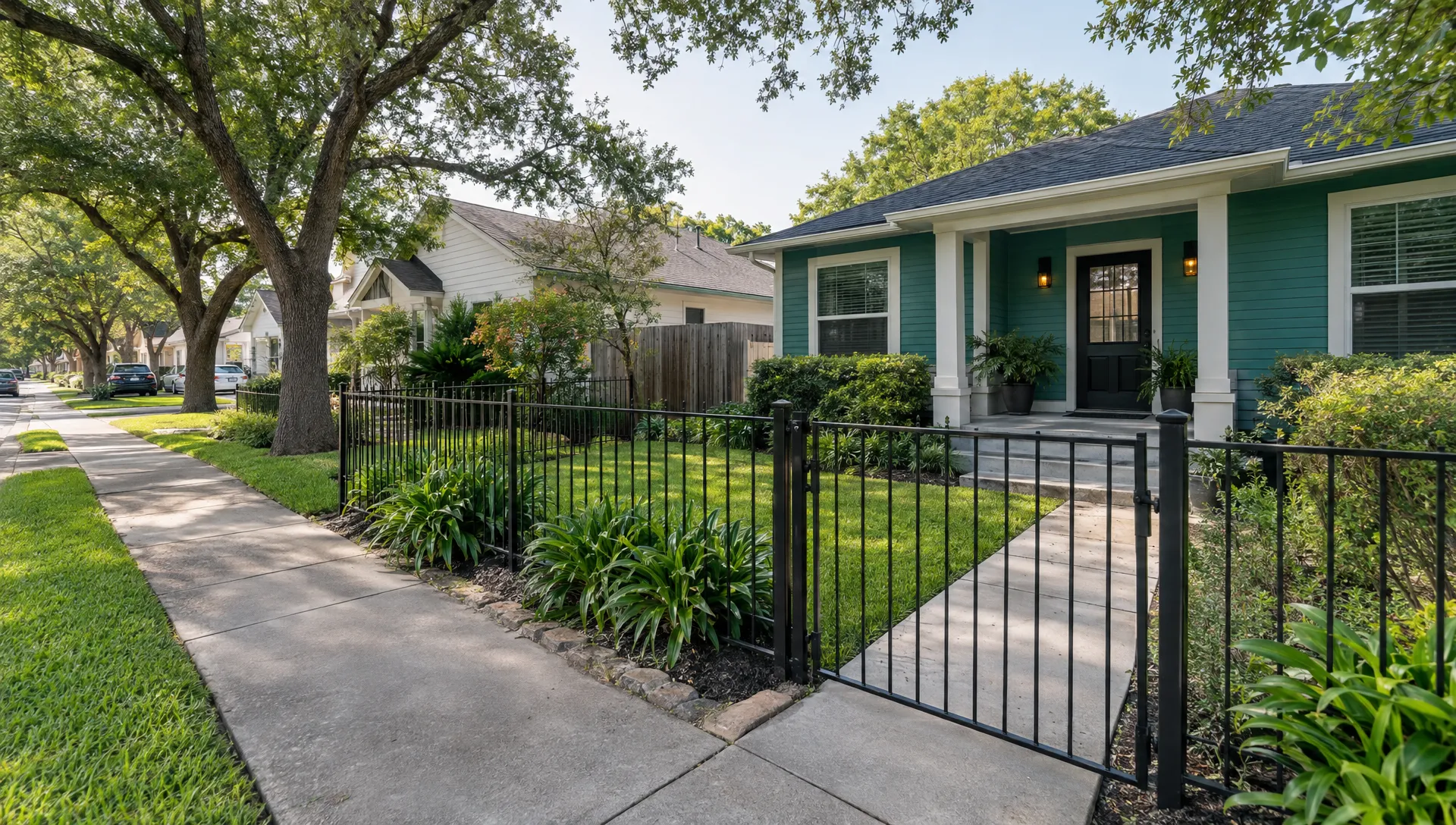
Before deciding which pets to accept, review what the home can reasonably accommodate. A fenced yard may make outdoor routines easier, but it does not eliminate noise, waste or escape concerns. A condominium may have shared-space rules that affect daily pet care.
The review should cover flooring, furnishings, outdoor access and neighboring properties. It should also identify restrictions in association documents and insurance policies. A manager should flag conflicts rather than assume that an owner's preference overrides another requirement.
| Property factor | Policy question to resolve |
|---|---|
| Shared entrances or elevators | What leash and common-area rules apply? |
| Upholstered furniture and rugs | What cleaning expectations should be documented? |
| Yard and fencing | Who checks gates and removes pet waste? |
| Nearby residents | How will persistent barking complaints be handled? |
| Insurance and association requirements | Which restrictions need verification before approval? |
A property rental company can turn this review into a consistent approval process. That is more useful than accepting animals informally and trying to negotiate restrictions after the resident arrives. Ordinary pet criteria should be written clearly, with a separate process for disability-related accommodation requests.
Separate pet rules from assistance-animal requests
Assistance animals are not pets under the Fair Housing Act. For covered housing, a reasonable accommodation may require an exception to a no-pet policy or ordinary pet restrictions. Pet fees, pet rent and pet deposits cannot be imposed on a qualifying assistance animal.
HUD's assistance-animal guidance explains this distinction. A housing provider may request reliable supporting information when the disability or disability-related need is not apparent, subject to fair housing requirements. A paid online certificate should not be treated as automatically establishing eligibility, and a provider should not demand an applicant's full medical records.
These requests need individualized consideration. Decisions about a specific animal presenting a direct threat or a substantial property-damage risk should rely on objective evidence, not assumptions about a breed. Whether reasonable measures could reduce the risk also matters.
Your property rental company should have a defined process for receiving requests, protecting sensitive information and obtaining legal guidance when needed. Assistance-animal approval does not eliminate a resident's responsibility for actual damage, assessed under the same standards applied to other residents.
For furnished mid-term stays, do not assume that calling someone a “guest” removes fair housing obligations. The property's use and applicable law matter more than the label in a booking agreement.
Put the practical rules in a written pet addendum
A listing that says “pets considered” leaves too much unresolved. The rental agreement or accompanying addendum should identify the approved animals and explain how the policy operates during the stay.
Useful provisions address:
- Approval details: Record each approved pet's name, species and relevant identifying information, along with any lawfully required health documentation.
- Daily responsibilities: Explain waste removal, litter disposal, leash requirements and appropriate use of shared areas.
- Furniture and housekeeping: State any furniture restrictions and expectations for managing hair, odors and accidents.
- Supervision and disturbances: Address prolonged unattended periods, persistent noise and behavior that threatens people or property.
- Changes during the stay: Require approval before adding or substituting an ordinary pet, while keeping accommodation requests separate.
- Damage and reporting: Explain how residents should report incidents and how documented charges will be assessed under the agreement and applicable law.
A property rental company can make these provisions specific enough to follow without turning the addendum into a collection of unrealistic promises. “Keep the property odor-free at all times” is harder to administer fairly than clear expectations for prompt accident cleanup and reporting persistent odor problems.
Longer furnished stays also need an extension process. If a two-month booking becomes a five-month stay, confirm that the existing animal approval continues and document any agreed changes. Do not rely on a text conversation that never becomes part of the rental record.
Set charges around actual exposure, not arbitrary penalties
Pet-related charges serve different purposes. Owners should understand those differences before approving a fee schedule or advertising a property.
| Charge | Intended purpose | Point to clarify |
|---|---|---|
| Refundable pet deposit | Security against eligible pet-related damage | Refund and deduction requirements |
| Nonrefundable pet fee | An agreed pet-related charge where lawful | Clear disclosure and legal permissibility |
| Monthly pet rent | Recurring charge for an approved ordinary pet | Amount and treatment during extensions |
| Actual damage charge | Recovery of documented, chargeable loss | Evidence, lease terms and applicable law |
These are possible structures, not a recommendation to stack every charge. Local requirements and the treatment of assistance animals must guide the final arrangement.
For furnished rentals, consider the cost of additional cleaning, damaged upholstery and any downtime needed for repairs. Compare those risks with the potential value of accepting an otherwise suitable household for a longer stay. A substantial upfront fee can affect a short booking differently from a six-month placement.
A property rental company should explain that tradeoff and distinguish chargeable damage from normal wear. The Texas Property Code's security-deposit provisions prohibit retaining security-deposit funds for normal wear and tear. A policy should not promise automatic deductions simply because an animal stayed in the home.
Prepare furnishings and document their condition
A written policy works better when the home is prepared for the animals it permits. Washable covers, accessible cleaning supplies and secure storage for cleaning chemicals can make everyday care easier. Remove fragile items from locations where a tail, leash or jumping animal could readily knock them over.
Lighting deserves a practical check, too. During a furnishing refresh, options such as ceiling and pendant lighting from BUYnBLUE can be considered alongside furniture placement to reduce reliance on accessible floor-lamp cords. Evaluate mounting security, safe clearances and electrical compatibility before installation rather than choosing fixtures on appearance alone.
Before move-in, photograph flooring, upholstery, doors, screens and outdoor areas. Record existing scratches, stains and odors so the resident is not later charged for a preexisting condition. Keep the inventory detailed enough to identify the affected item if a dispute arises.
A property rental company can use that baseline to support a fair move-out comparison. Documentation is especially valuable when a furnished home contains many individual items, rather than just the building itself.
Pet-related preparation also belongs within the property's broader upkeep plan. The same inspection habits described in preventive rental property maintenance can help identify loose gates, damaged screens or small problems before they become expensive repairs.

How a property rental company keeps enforcement consistent
Rules lose their value when nobody explains them or follows up. At move-in, residents should receive the same policy they accepted before booking, along with a clear way to report accidents, damage or concerns.
During a longer stay, address problems promptly and proportionately. A barking complaint should trigger a factual review, not an immediate accusation. Record the dates, reported behavior and communications, then follow the agreement and applicable notice requirements. Any inspections or access must respect the resident's rights and the lease.
A property rental company should also separate routine maintenance from policy enforcement. A scratched door may need repair, but the cause and financial responsibility still require evidence. Repeated disturbances may call for a different response than a single, promptly reported accident.
At departure, compare the home's condition with the move-in record. Use photographs, cleaning assessments and invoices or reasonable estimates as appropriate to support legitimate charges. Avoid treating every replacement as the resident's responsibility, especially when age or prior wear contributed to the loss.
Consistent administration protects both sides: residents know what to expect and owners have a defensible record rather than a disagreement based on impressions.
Frequently asked questions
Should every furnished mid-term rental accept pets? No. The decision should reflect the property, lawful restrictions, insurance requirements and the owner's risk tolerance. Assistance-animal accommodation requests require separate consideration and cannot simply be treated as ordinary pet applications.
Can I require professional cleaning whenever a pet stays? Do not assume a blanket requirement or automatic deduction is enforceable. Disclose any lawful cleaning obligations in the agreement and assess charges according to the contract, applicable law and documented condition. Distinguish extra cleaning from routine turnover work.
Does property damage protection replace a pet deposit? Not automatically. Protection terms may differ from the responsibilities secured by a deposit. Review eligibility, exclusions, limits and claim requirements before deciding how either fits your policy, and do not assume pet-related incidents are covered.
Can a property rental company guarantee that pets will not cause damage? No. Clear criteria, documentation and consistent follow-up can reduce avoidable problems, but they cannot eliminate risk. Be cautious about promises that suggest otherwise.
Review the policy before the next booking
Before appointing a manager, include pet approvals, accommodation requests and damage documentation among your questions to ask before signing a rental management agreement.
Scott Property Management specializes in furnished rentals and offers up to $1 million in property damage protection as standard risk protection. Ask how your proposed pet policy would fit the rental arrangement and request the protection terms, including whether pet-related damage is eligible. Resolve those details before approving the next stay.