Home and Property Management for Busy Rental Owners
If you own a furnished rental but already have a full calendar of work, family or other investments, the right home and property management plan can be the difference between a promising asset and a constant source of interruptions. Busy rental owners need more than someone to collect payments. They need a system for pricing, tenant fit, maintenance, turnovers, risk control and communication that keeps the property performing without requiring daily attention.
That becomes especially important with furnished mid-term rentals. These homes often serve traveling professionals, relocating families, insurance housing guests and people who need a comfortable place for several weeks or months. The bookings are longer than typical vacation stays, but the owner still needs hospitality-level readiness and professional oversight.
What home and property management really covers for busy owners
Property management is sometimes reduced to rent collection, but furnished rentals require a broader operating model. A manager may coordinate inquiries, evaluate occupants, prepare lease or booking documentation, oversee cleaning standards, respond to maintenance issues and monitor the condition of furniture, appliances and household items.
For busy owners, the value is not only in task completion. It is in consistency. A well-run rental has a clear calendar, a clean handoff between occupants, reliable vendor access and a process for catching small problems before they turn into expensive repairs. When those systems are missing, owners usually pay in the form of longer vacancies, rushed decisions or late-night troubleshooting.
A strong home and property management plan connects the physical home, the guest experience and the financial outcome so the property can operate like an investment rather than a second job.
Why mid-term furnished rentals fit busy rental owners
Short-term rentals can produce attractive nightly rates, but they often come with frequent turnovers, more cleaning coordination and greater exposure to weekend wear. Traditional long-term rentals can be stable, but they may not fully capture the earning potential of a well-furnished property in a desirable location.
Mid-term rentals sit between those models. A typical stay may last 30 days or more, which can reduce vacancy gaps and turnover pressure while still allowing owners to earn strong rental income from a furnished home. This format can be particularly useful for owners who inherited a property, relocated out of town, are waiting to sell or want income without signing away the home for a full year.
This is where home and property management should be tailored to the rental strategy. A mid-term home needs professional presentation, practical furnishings, responsive service and clear expectations for occupants who will live in the property, not just visit for a weekend.
Owners who are still deciding whether this model fits their property can review Scott Property Management's guide to mid-term rental management for a deeper look at how furnished stays can work.
The day-to-day work busy owners often underestimate
Most rental owners do not underestimate the property itself. They underestimate the number of small decisions required to keep it profitable. A loose door handle, a delayed cleaner, an unclear check-in instruction or a missing kitchen item can all affect the next stay.
Effective home and property management creates a repeatable rhythm around those details. Instead of reacting to each issue as it appears, the property is managed through checklists, vendor relationships and communication standards that reduce friction.
| Management area | Why it matters for furnished mid-term rentals |
|---|---|
| Occupant fit | Longer stays require people who match the property's rules, schedule and intended use. |
| Furnishing readiness | Guests expect functional furniture, stocked basics and a home that feels move-in ready. |
| Maintenance coordination | Small repairs need quick attention because the home is occupied for weeks or months. |
| Turnover quality | Cleanliness, inventory checks and restocking protect reviews and future demand. |
| Calendar control | Proper booking gaps help prevent rushed turnovers and missed maintenance windows. |
How professional oversight protects net income
Gross rent is only the starting point. Busy owners should pay close attention to net income, which is what remains after vacancy, cleaning, maintenance, utilities, supplies, platform costs and management expenses. A property can look successful on paper and still underperform if the operating details are not controlled.
In a furnished rental, home and property management protects net income by reducing preventable leakage. That may mean setting appropriate minimum stays, avoiding underpriced bookings during high-demand periods, documenting property condition, scheduling preventive maintenance and communicating expectations before arrival.
This is also why the cheapest management option is not always the best financial choice. A low fee can become expensive if the home sits vacant, receives poor occupants or needs repeated emergency repairs because routine issues were missed. For a broader look at the financial tradeoff, see this explanation of when property management for rental property owners pays off.
Maintenance, risk control and property protection
Furnished rentals contain more items to protect than an unfurnished lease. In addition to the structure itself, owners need to think about sofas, beds, televisions, kitchenware, linens, decor, appliances and outdoor furniture. Each item affects the guest experience and the replacement budget.
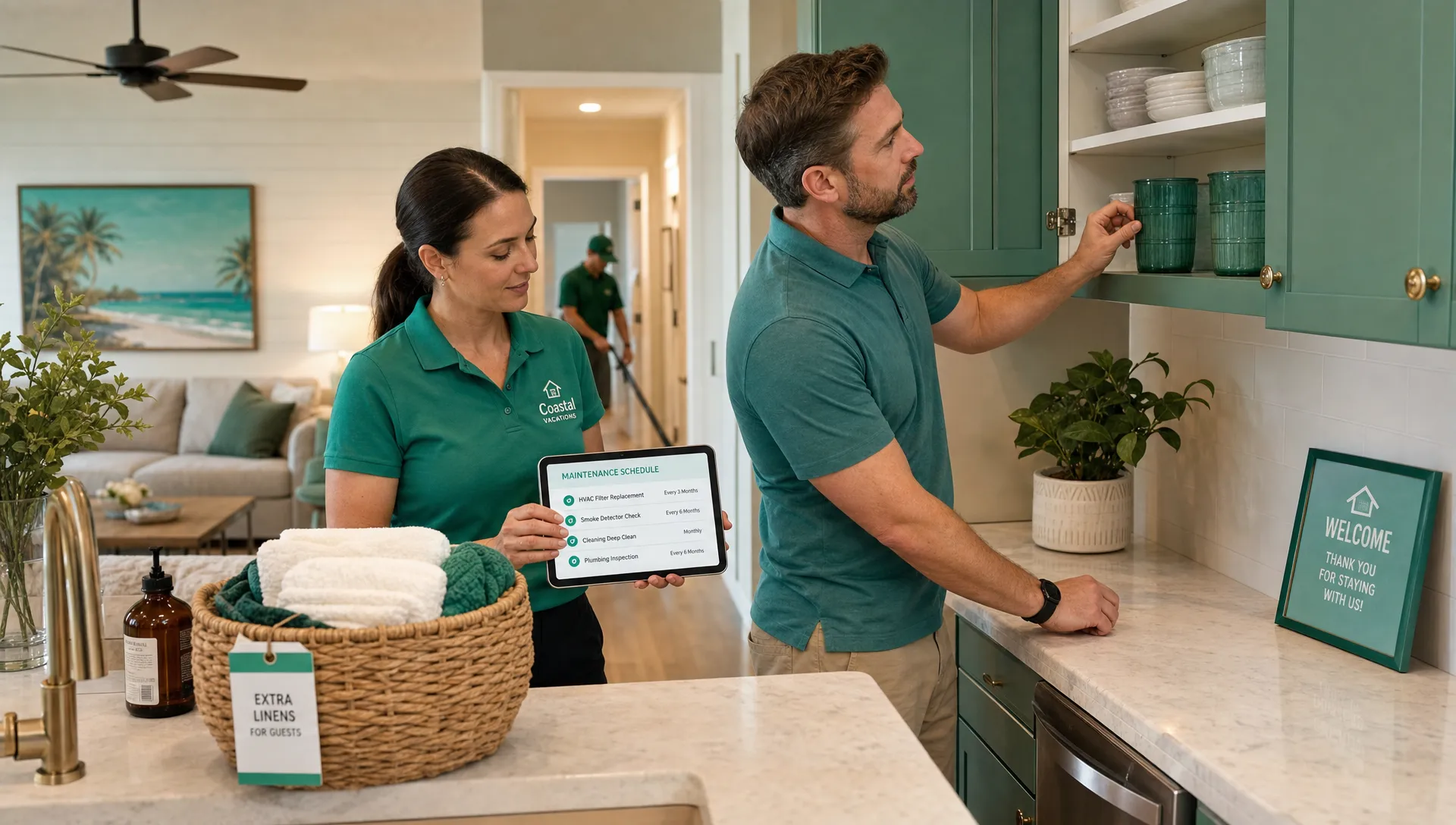
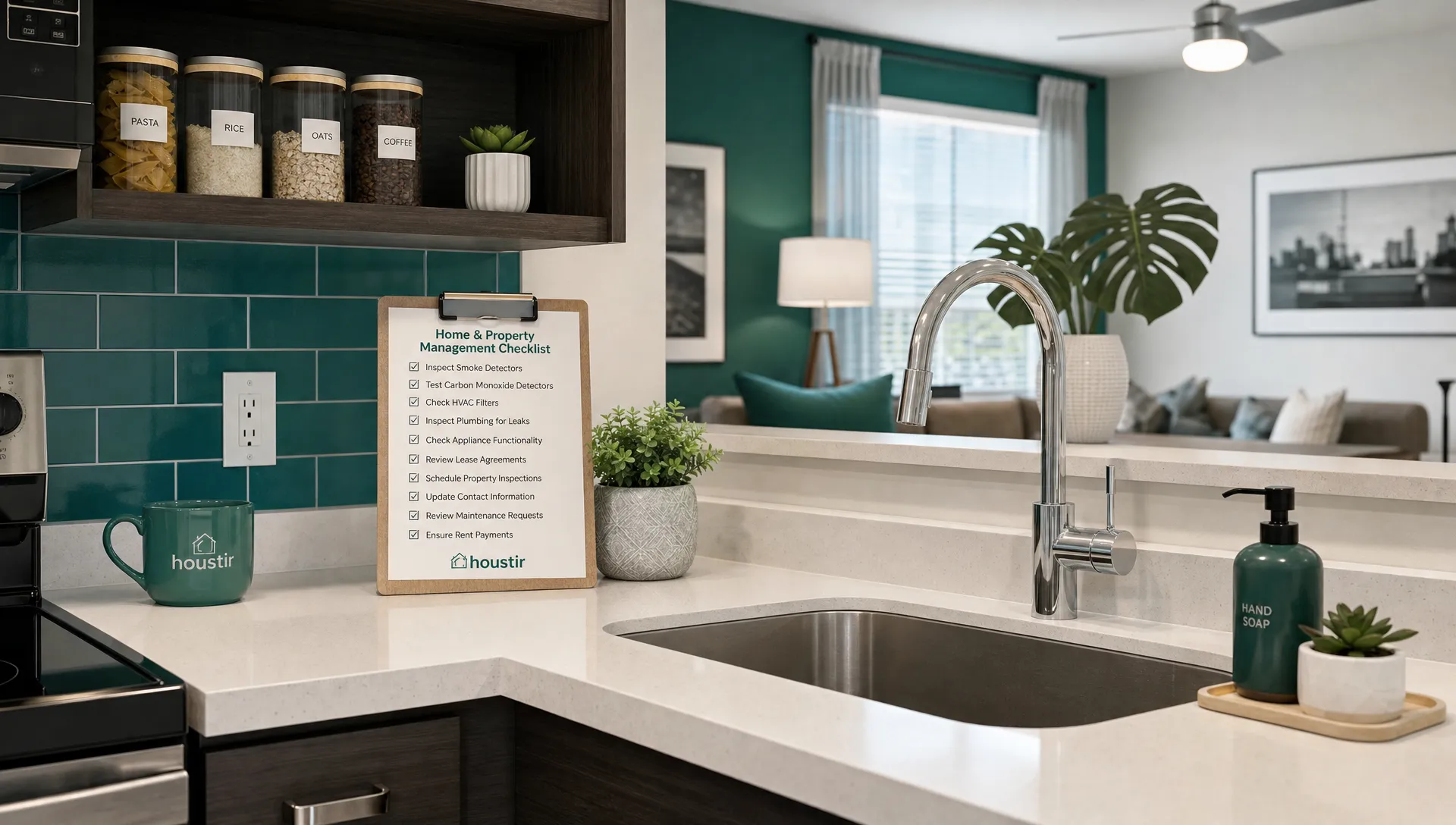
Professional home and property management helps owners reduce risk through documentation, inspection routines and fast repair coordination. Photos, inventory checks and clear house rules create a record of the property's condition. Vendor coordination helps ensure that issues like leaks, HVAC problems or appliance failures are addressed before they create larger losses.
Risk protection is also part of the equation. Scott Property Management provides up to $50,000 in property damage protection as standard risk protection for furnished rentals, which can give owners added peace of mind alongside regular management practices.
Compliance matters too. Screening, advertising and housing practices should be handled consistently and fairly. The U.S. Department of Housing and Urban Development provides an overview of federal fair housing requirements, and owners should also stay aware of local rules that may apply to their rental strategy.
When self-management may still make sense
Not every owner needs full professional management. If you live near the property, have flexible time, know reliable vendors and enjoy the operational side of rentals, self-management can work. It may also make sense for a single long-term rental with low turnover and a stable tenant.
The calculation changes when the property is furnished, the owner is busy or the home is far from where the owner lives. Mid-term rentals require more coordination than many owners expect, especially when a guest needs help during the workday or a repair must be handled before the next occupant arrives.
For out-of-town owners, home and property management is often less about convenience and more about control. If you cannot inspect the home, meet a vendor or respond quickly to an urgent issue, the right local team becomes the owner's eyes, ears and operating system. Owners managing from another city may also find this guide to home management essentials for owners living out of town useful.
How to choose a management partner for a furnished rental
A good management partner should understand the difference between a furnished mid-term rental and a traditional unfurnished lease. The operating needs are not identical. Mid-term guests usually expect a clean, comfortable and functional home from day one, while owners need a process that supports reliable income and protects the asset.
When evaluating home and property management, ask how the company handles occupant quality, pricing strategy, maintenance response, cleaning coordination and property condition documentation. The answers should be specific enough to show that the manager has a working system, not just general experience.
It also helps to ask how the company thinks about wear and tear. A busy rental owner should want more than bookings. The goal is steady demand from the right occupants, reasonable turnover frequency and a property that remains attractive over time.
A simple evaluation framework can help:
- Rental strategy fit: The manager should understand furnished mid-term rentals, not only annual leases or vacation stays.
- Communication standards: Owners should know when they will receive updates, what issues require approval and how emergencies are handled.
- Maintenance network: Reliable vendors matter because slow repairs can affect income and occupant satisfaction.
- Risk controls: Documentation, inspections and damage protection should be part of the operating plan.
- Financial clarity: Owners should be able to understand income, expenses and the real performance of the property.
Frequently Asked Questions
What does home and property management include for a furnished rental? It typically includes marketing support, occupant coordination, cleaning oversight, maintenance scheduling, condition documentation, owner communication and financial organization. For mid-term rentals, it should also include attention to furnishings, supplies and move-in readiness.
Are mid-term rentals better than short-term rentals for busy owners? They can be a better fit for owners who want strong rental income with fewer turnovers and less day-to-day activity. Short-term rentals may earn higher nightly rates, but mid-term rentals often provide steadier occupancy and lower operating intensity.
Can a property manager help if I inherited a home? Yes, especially if the home is furnished or can be furnished for rental use. A manager can help assess readiness, coordinate repairs, prepare the home for occupants and operate it while you decide whether to keep, rent or eventually sell.
How do I know if professional management is worth the cost? Look beyond the fee percentage. Consider your time, vacancy risk, maintenance coordination, guest quality, potential damage and net income after expenses. If management improves performance or prevents costly problems, it may pay for itself.
Make your furnished rental easier to own
Busy rental owners do not need a property that creates constant work. They need a rental strategy supported by reliable systems, clear communication and local oversight.
Scott Property Management specializes in furnished rental properties, with a focus on mid-term rentals that can deliver more predictable income, fewer turnovers, reduced vacancy between bookings and less wear and tear than high-churn short-term stays. If you want home and property management that helps protect your investment while making ownership feel manageable, visit Scott Property Management to learn how your furnished property could perform with the right support.