
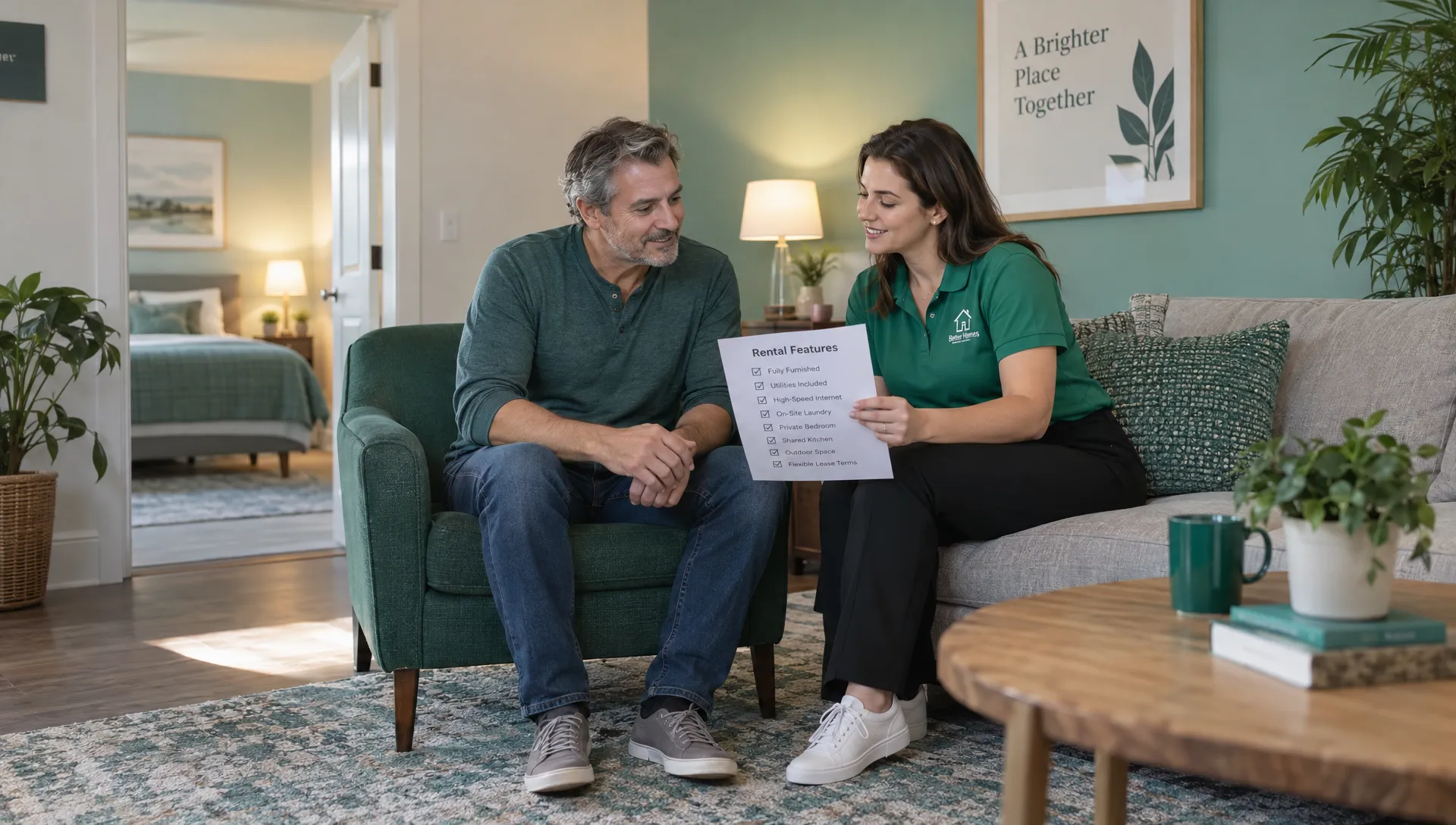
Preparing Mid Term Accommodation for Medical Stays
Preparing mid term accommodation for medical stays means thinking beyond furniture and proximity to a hospital. Patients and caregivers may need a home for several weeks or months while attending appointments, receiving treatment or recovering between visits. For property owners, the goal is a comfortable, accurately described rental that supports everyday living without promising medical care or accessibility features the property cannot deliver.
A Houston home near the Texas Medical Center may be convenient, but distance alone does not determine suitability. Entry steps, bathroom layout, caregiver sleeping arrangements and booking terms can matter just as much. Before investing in upgrades, evaluate the entire stay, from unloading the car to handling an unexpected change in departure date.
Plan mid term accommodation for patients and caregivers
A medical stay differs from a vacation or a temporary work assignment. The patient may spend substantial time at home, while a spouse, relative or paid caregiver helps with daily routines. Both need usable space, privacy and clear expectations.
Start by identifying the household arrangements your property can support. A separate bedroom can give a caregiver uninterrupted rest. A comfortable living area provides somewhere to spend the day without remaining in bed. Reliable laundry facilities make longer stays more manageable.
For mid term accommodation serving this audience, ask practical questions about occupancy, arrival timing, parking and access requirements rather than requesting a diagnosis. Guests can explain which property features they need without sharing their medical history.
Mid-term rentals commonly run from about a month to several months, but that description is not a universal legal category. Confirm the intended rental duration against local requirements, insurance terms and governing documents. Owners in managed communities should review the HOA rules that can affect a mid-term rental before advertising availability.
Furnishing the home is only part of preparation. An accurate description of its limitations helps families decide whether it is suitable before they commit.
Check the route from the curb to the bathroom
Walk through the property as someone who tires easily, uses a mobility aid or needs assistance carrying belongings. Start at the parking space, not the front door.
Record steps, uneven surfaces, doorway measurements and the route to the bedroom and bathroom. A ground-floor unit is not necessarily step-free. Similarly, an elevator does not eliminate a raised threshold or a difficult shower entrance.
Accurate access details make mid term accommodation easier for families to evaluate without relying on vague descriptions such as “senior-friendly.” Photos should show obstacles as clearly as attractive features.
| Area | What to verify | What to disclose |
|---|---|---|
| Parking and arrival | Surface condition, lighting and unloading space | Distance to entrance and any stairs along the route |
| Entry | Thresholds, steps and clear doorway width | Measured openings and whether another entrance is available |
| Bedroom | Space around the bed and route to the bathroom | Bed height, room location and any narrow passages |
| Bathroom | Shower or tub entry, floor condition and available supports | Tub walls, shower curbs and existing grab-bar locations |
| Shared building areas | Elevator access and common-area routes | Any known access restrictions or alternative routes |
Remove loose rugs, unsecured cords and unstable furniture from walking paths. If installing grab bars, use suitable products and qualified installation. Do not present towel rails or suction-mounted accessories as dependable weight-bearing supports.
Avoid labeling the property “ADA-compliant” or “wheelchair-accessible” without a sound basis. Measurements, photographs and specific descriptions are more useful than an unverified label. Some homes will not suit a guest’s needs, and identifying that early protects everyone involved.
Furnish for daily routines, not just arrival day
A well-staged rental can still be frustrating to live in for six weeks. Test whether two adults can prepare meals, store groceries, do laundry and rest without constantly rearranging the space.
Choose stable seating that is reasonably easy to get into and out of. Provide bedside lighting, reachable charging points and window coverings that support daytime rest. Keep essential kitchen items within convenient reach rather than placing everything on high shelves.
Useful mid term accommodation should also make room for the caregiver’s routine. A separate sleeping surface, somewhere to take a private call and adequate storage can reduce the strain of sharing a temporary home.
In the kitchen, prioritize practical cookware, food-storage containers and enough refrigerator space for normal household use. Maintain appliances and provide straightforward instructions. Do not advertise household refrigeration as medical-grade storage or promise suitability for particular medications.
Confirm internet performance in the rooms guests will actually use. A connection that works beside the router may be unreliable in the bedroom. Describe the service accurately without guaranteeing that it will meet every clinical or telehealth requirement.
If guests plan to bring equipment, discuss space, delivery access and any installation needs beforehand. Medical equipment selection, setup and clinical support should remain with the guest’s qualified providers.
Prepare cleaning, air quality and maintenance
A medical stay calls for careful housekeeping, not claims that the rental is sterile or suitable for every health condition. Describe your cleaning process factually and allow guests to assess it against their care team’s recommendations.
Clean surfaces before disinfecting when appropriate, and follow product labels for approved uses and contact times. Wash linens, check upholstered furniture and remove food residue from kitchen equipment. Avoid masking odors with heavy fragrances.
When preparing mid term accommodation, address moisture, ventilation and HVAC maintenance before focusing on decorative upgrades. The EPA’s guidance on indoor air quality emphasizes controlling pollution sources and providing appropriate ventilation. Use filters compatible with the HVAC system and investigate leaks, persistent odors or visible moisture problems.
Plan housekeeping access carefully during the stay. Guests may need quiet periods, privacy or advance notice before a cleaner enters. State whether cleaning is included, optional or charged separately, and follow applicable entry-notice requirements.
Preventive maintenance matters because a broken air conditioner or blocked drain can be especially disruptive during treatment. Check cooling, hot water, plumbing and laundry equipment before arrival. Give guests a clear maintenance contact and distinguish urgent problems from routine requests. Only promise response times your operation can reliably support.
Price the full stay and address uncertain dates
Medical schedules can change. A treatment plan may require additional appointments, or a family may be ready to leave earlier than expected. Owners need written terms that address both possibilities without implying unlimited flexibility.
Quote the expected total cost, not just a monthly headline rate. Explain rent, deposits, cleaning charges, parking, pet-related charges where lawful and any applicable taxes or booking fees. If utilities are included subject to an allowance, state the allowance and how additional usage is calculated.
Clear pricing helps families compare mid term accommodation with extended-stay hotels and other furnished housing on a like-for-like basis. A lower advertised rate may not represent a lower total expense once separate charges are included.
The agreement should explain how an extension is requested, when availability will be confirmed and what rate applies. Do not promise that a guest can remain indefinitely if another reservation or owner use is already scheduled. Establish a decision date early enough for both parties to plan.
Use a documented process for handling extensions to mid-term stays, including revised departure dates and payment obligations. Address early departure separately, with cancellation and refund terms explained before booking and applied consistently with applicable law.
Written clarity is more useful than a general promise to “work something out.” It gives families a realistic basis for budgeting while helping owners manage availability.

Protect privacy and define service boundaries
Owners provide housing, not clinical supervision. A guest may need assistance during a stay, but that does not mean the landlord or property manager is responsible for arranging care, administering medication or monitoring recovery.
State what the rental service includes and where its responsibilities end. Property maintenance, access instructions and household troubleshooting are different from personal care. Guests should arrange any required caregiving or medical support independently.
Privacy should be part of the preparation process for mid term accommodation. Collect the information needed to manage occupancy and the agreement, rather than routinely asking for medical records. Restrict access to personal information and avoid including health details in shared maintenance messages.
Disability-related requests also require careful handling. Where fair housing law applies, reasonable accommodation or modification obligations may affect policies and property changes. HUD’s guidance on reasonable accommodations and modifications provides a starting point, but owners should obtain advice about their specific property and circumstances. Do not automatically treat an assistance-animal request as an ordinary pet request.
Provide the full property address and emergency instructions in an easy-to-find location. Guests should call 911 for an emergency rather than relying on a property manager’s messaging account. Keep property-related emergency contacts separate so a maintenance request is not confused with a request for medical help.
Complete a practical pre-arrival inspection
Test the rental as a home rather than inspecting it only for presentation. Sit on the furniture, operate the locks, run the shower and walk the route from the bed to the bathroom after dark.
Before releasing mid term accommodation for a medical stay, complete a documented inspection and resolve outstanding safety or maintenance issues. Photographs and an inventory also help establish the property’s condition without intruding on the guest later.
Use a short final checklist:
- Access: Verify entry instructions, parking details, lighting and disclosed obstacles.
- Sleeping arrangements: Confirm bed setup, usable linens and the agreed caregiver space.
- Household essentials: Test kitchen appliances, laundry equipment, hot water and internet access.
- Safety: Test smoke alarms and carbon monoxide alarms where installed or required, and keep exits unobstructed.
- Communication: Provide maintenance contacts, emergency instructions and agreed service arrangements.
Send an arrival guide before check-in. Include the exact entrance, parking instructions and any building access procedure. For a Houston property, describe the route to the relevant hospital campus without promising a fixed commute time. Traffic, appointment location and parking arrangements can change the trip considerably.
Frequently asked questions
How long is a typical medical rental stay? It may last several weeks or several months, depending on the guest’s schedule. Mid term accommodation is often offered for roughly monthly stays, but owners must confirm minimum terms and legal requirements for their property.
Does the property need to be fully accessible? Not every rental can meet every mobility need. Describe actual features and barriers, provide measurements when useful and handle disability-related requests according to applicable law. Avoid accessibility claims that have not been verified.
Should owners buy medical equipment for guests? Do not assume that ordinary furnishings or purchased equipment will meet a guest’s clinical needs. Guests should coordinate appropriate equipment with their providers. Owners can discuss delivery access, available space and any proposed property changes.
Can owners guarantee an extension if treatment runs longer? Only promise an extension when availability and terms are confirmed. Explain the request process before booking and document any approved change to the agreement.
What matters most beyond being near a hospital? Honest access information, a comfortable place to rest, practical caregiver arrangements and transparent costs help families decide whether a property fits their stay.
Prepare your property for a more manageable stay
The strongest medical-stay rental is not necessarily the most luxurious. It is a well-maintained home with accurate information, useful furnishings and clear operating procedures.
Scott Property Management specializes in furnished rentals and provides up to $1 million in property damage protection as standard risk protection. Ask about the applicable protection terms and discuss whether your Houston property is a practical fit for patients and caregivers seeking temporary housing.